
Asian trailing arbutus
Epigaea asiatica
Description
Growing requirements
The Asian trailing arbutus (Epigaea asiatica) is a prostrate, evergreen shrub belonging to the Ericaceae family. It is native to the woodland habitats of East Asia, primarily documented in Japan.
The plant thrives in highly specific environmental conditions, requiring acidic soil that is well-drained yet moisture-retentive. Organic matter such as pine needles or peat is essential to replicate its natural forest-floor habitat.
Temperature and light management are critical for this species. It demands a cool climate and partial shade, as exposure to direct, intense sunlight often results in leaf scorch and heat stress.
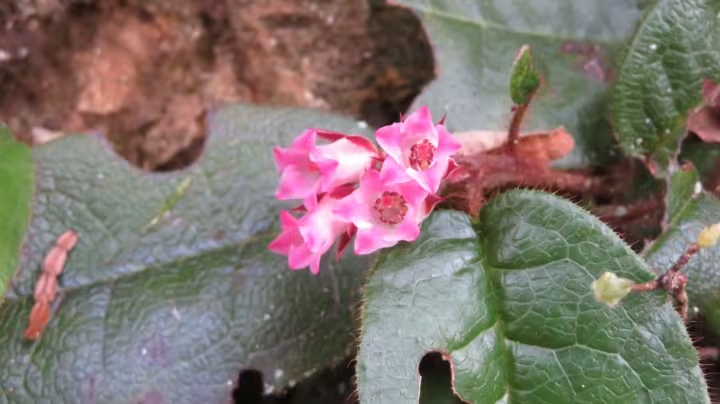
Morphologically, the plant is characterized by its coriaceous, oval-shaped leaves and delicate, highly fragrant flowers that bloom in clusters. It displays a slow-growing habit, making it a sought-after specimen for specialized rock gardens and Ericaceous displays.
Cultural maintenance involves careful monitoring of soil acidity and the application of specialized mulches to prevent root drying. Due to its fragile, fine root structure, cultivation requires minimal disturbance to the site once planted.
Main diseases and pests
The primary threats to Epigaea asiatica include fungal pathogens such as root rot, which are often exacerbated by poor drainage and stagnant moisture levels in the substrate.
Pests such as mites may colonize the foliage in environments with low humidity. Proactive plant health management includes ensuring proper air circulation and maintaining steady hydration levels to prevent pest infestation.