
Trailing arbutus
Epigaea repens
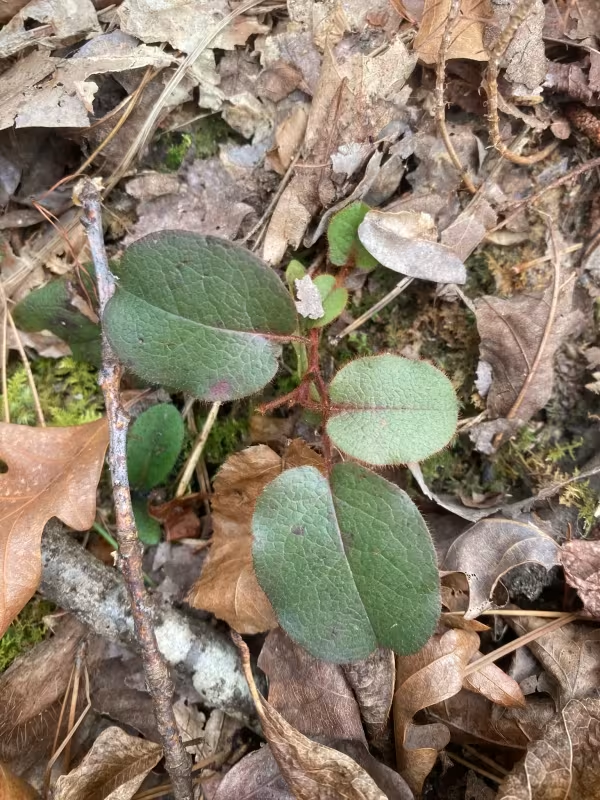
Description
Growing requirements
Trailing arbutus (Epigaea repens) is a member of the Ericaceae family, characterized as a creeping, evergreen subshrub. Naturally found in the forests of North America, it thrives in specific acidic habitats often associated with coniferous vegetation.
For successful cultivation, the plant requires conditions mimicking its forest floor habitat: high atmospheric humidity, partial shade, and acidic, well-drained soil rich in organic matter. Water stagnation is detrimental to its shallow, sensitive root system.
The plant exhibits excellent winter hardiness but requires protection from intense midday sun and drying winds. It is highly valued in horticulture for its early spring blooms, which carry a distinct, pleasant fragrance.
The substrate must be a light, peaty, and sandy mix incorporated with pine needles to maintain an acidic pH level. The application of lime or alkaline fertilizers is strictly prohibited as it triggers chlorosis and eventual plant decline.
Agricultural maintenance centers on consistent mulching with pine needles or pine bark, which keeps moisture levels steady and prevents overheating. Propagation is best achieved through cuttings or layering, as seed germination is complex.
Main diseases and pests
Fungal diseases represent the primary threat to trailing arbutus, typically arising from poor drainage or excessive soil moisture. Root rot is a common issue that can quickly devastate a colony if cultural conditions are not managed correctly.
Pests such as spider mites may become problematic during periods of low humidity and heat. Regular monitoring of the foliage and maintaining adequate air moisture are effective preventative measures.
The symbiotic relationship with soil fungi (mycorrhiza) is critical for the plant's nutrient uptake. A lack of these beneficial organisms makes the plant significantly more susceptible to environmental stress and pathogens.
Winter damage is often caused by freeze-thaw cycles without sufficient snow cover, which can desiccate the evergreen leaves. Providing a light covering of evergreen boughs can help stabilize the microclimate.
The roots are extremely sensitive to soil disturbance, meaning that any physical weeding must be avoided. The most effective approach is to rely entirely on mulching to suppress weeds without damaging the plant's delicate root structure.