
Epigaea intertexta
Epigaea intertexta
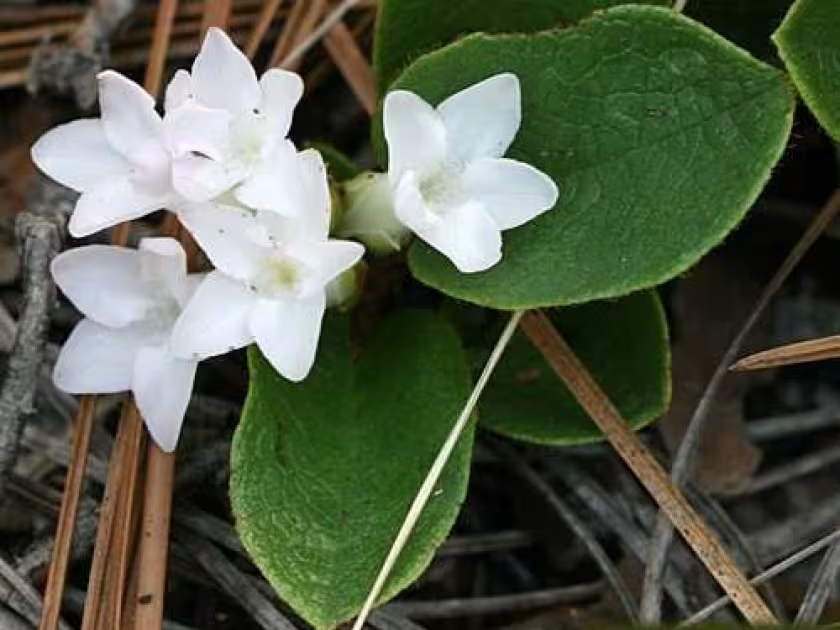
Description
Growing requirements
Epigaea intertexta is a notable representative of the Ericaceae family, widely recognized for its high ornamental value in specialized landscaping. This evergreen groundcover species is a hybrid that thrives under conditions simulating natural forest floors.
The cultural success of this plant depends heavily on soil chemistry. It requires an acidic substrate with a pH ranging from 4.5 to 5.5. The soil structure should be porous, rich in organic matter such as peat or conifer needles, to ensure adequate aeration and moisture retention.
Light requirements for Epigaea intertexta are strict: it performs best in partial shade. Excessive exposure to direct sunlight can severely damage the foliage, while complete shade often results in poor blooming patterns and weak, elongated stems.
Climatic adaptability involves a preference for humid environments with moderate temperatures. While it exhibits good cold hardiness, it remains susceptible to late spring frosts, which necessitate the use of protective mulch around the root zone.
Agronomic management focuses on moisture regulation and weed control. Since the root system is shallow, mechanical cultivation is discouraged. Instead, annual mulching with decomposed acidic organic material is recommended to support root health and soil stability.
Main diseases and pests
Root rot, primarily caused by Phytophthora species, is the most critical threat to Epigaea intertexta. These pathogens proliferate in poorly drained soils or areas with excessive moisture, making proper soil drainage the most vital preventative measure.
Pest pressure often includes spider mites and various leaf-feeding insects. These pests are particularly active during hot, dry weather conditions, necessitating regular observation and potential intervention with soft, biological insecticidal treatments.
Leaf spot diseases can also occur if air circulation is insufficient within the planting bed. Maintaining spacing between individual plants ensures that humidity does not accumulate, which reduces the likelihood of fungal colonization on the leaves.
Nutrient toxicity is a significant risk, particularly from calcium-rich fertilizers or water with high mineral content. These factors can quickly raise the soil pH, leading to nutrient lockout and the development of severe chlorosis within the plant tissues.
Monitoring the plant for early signs of decline, such as yellowing leaves or wilting tips, allows for rapid diagnosis and intervention. Maintaining a clean garden environment and using high-quality planting stock are essential steps in managing long-term plant health.