
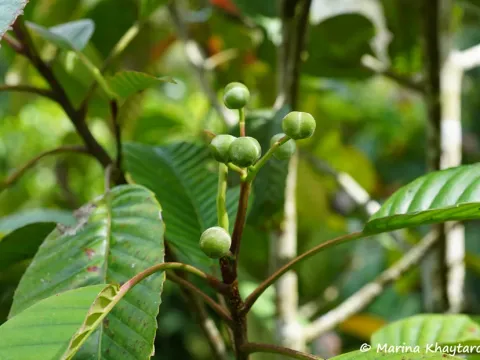
Dillenia serrata
Dillenia serrata
Dillenia serrata is a prominent evergreen tree belonging to the Dilleniaceae family. It is native to the tropical regions of Southeast Asia, thriving in high-humidity rainforest environments.
What the section contains
Dillenia serrata
This crop requires specific climatic conditions, including year-round warm temperatures and high atmospheric moisture. It is not suitable for cold climates and lacks tolerance for frost or temperature drops below 15°C.
Soil requirements focus on fertility and drainage. The plant prefers deep, nutrient-rich soils that allow for strong root penetration without becoming waterlogged during rainy seasons.
In terms of agricultural management, providing adequate spacing between trees is crucial to ensure proper air circulation and access to sunlight, which is necessary for healthy development.
Regular maintenance involves organic soil enrichment and keeping the area free from encroaching vegetation that might compete for nutrients and water in the early stages of the tree's growth.
The primary economic value of Dillenia serrata lies in its wood, which is characterized by high density and durability, making it suitable for high-quality furniture making and construction.
The fruits of the tree are also edible and locally valued for their unique flavor, often used in traditional recipes within the tree's natural growing range.
Harvesting is typically performed by hand, ensuring that only fully mature fruits are collected to maintain quality standards, while timber harvesting follows sustainable forestry cycles.
Beyond wood and food, various parts of the plant, including leaves and bark, are explored for their pharmacological potential in traditional medicine practices.
Efficient harvesting strategies prioritize the health of the tree, ensuring that it can continue to provide benefits over several decades of productive life.
The main threats to Dillenia serrata involve fungal pathogens that thrive in consistently humid environments, requiring constant vigilance and early detection to prevent widespread damage.
Insects, particularly those targeting foliage and soft shoots, can impede growth in young nurseries, necessitating integrated pest management approaches.
Soil-borne pests and nutrient deficiency, if not addressed by soil monitoring, can lead to stunted growth and increased susceptibility to secondary infections.
Habitat degradation and climate instability pose long-term risks to the natural replenishment of the species, making sustainable cultivation practices essential for its preservation.
Adopting eco-friendly control measures, such as introducing beneficial insects or using organic fungicides, helps maintain the health of the trees without polluting the environment.