
Dicranella schreberiana
Dicranella schreberiana
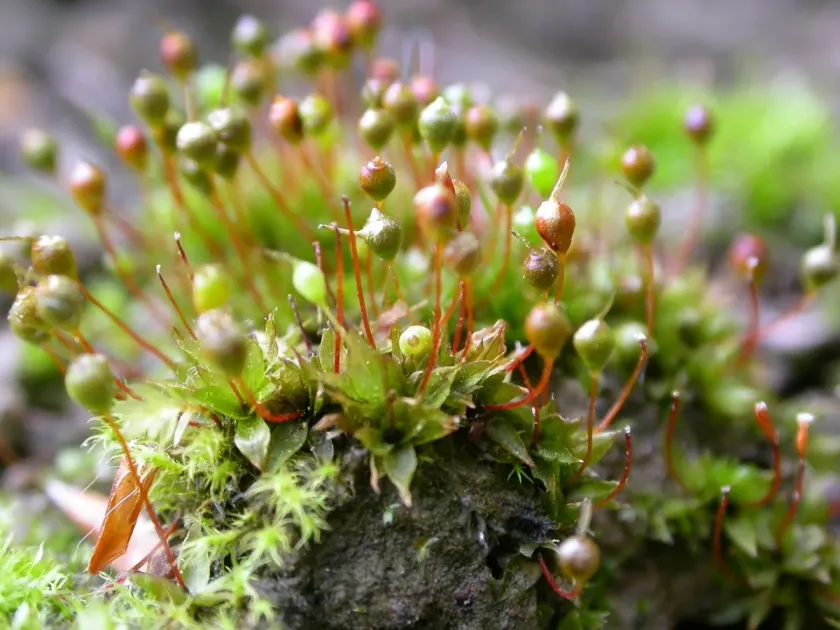
Description
Growing requirements
Dicranella schreberiana is a species of moss belonging to the family Dicranaceae. It is not cultivated for agricultural purposes but serves as a significant botanical indicator in various environmental settings and natural ecosystems.
The botanical structure consists of small, dense tufts that thrive in moist conditions. The plant is well-adapted to damp, disturbed soil surfaces, often appearing in areas such as riverbanks, moist gullies, and wet meadows where moisture is consistent.
In terms of habitat, it shows a preference for clayey or loamy soils with a slightly acidic pH. It is frequently observed in temperate regions across the Northern Hemisphere, where it colonizes exposed soil patches.
Climate requirements for this moss include stable humidity and protection from prolonged desiccation. Its cold-hardiness allows it to survive in harsh climatic zones, maintaining its presence in damp, semi-shaded environments.
From an agronomic perspective, the presence of Dicranella schreberiana acts as a marker for soil saturation or poor drainage in fields, suggesting potential issues with field water management that may impact crop performance.
Main diseases and pests
Environmental threats to this species include rapid land drainage and long-term soil management practices that involve significant changes to the local water table.
Agricultural chemicals, particularly herbicides and high-level nitrogen fertilizers, create environments that are often hostile to the survival and reproduction of moss species like this one.
Invasive vascular plant species can outcompete the moss by rapidly occupying space and shading it out when the soil nutrient content is increased.
Fungal pathogens associated with standing water or excessive organic decay can threaten the integrity of moss colonies in specific localized conditions.
Monitoring the population health of Dicranella schreberiana provides insights into the stability of the local micro-environment and its hydrological health.