
Dicranella grevilleana
Dicranella grevilleana
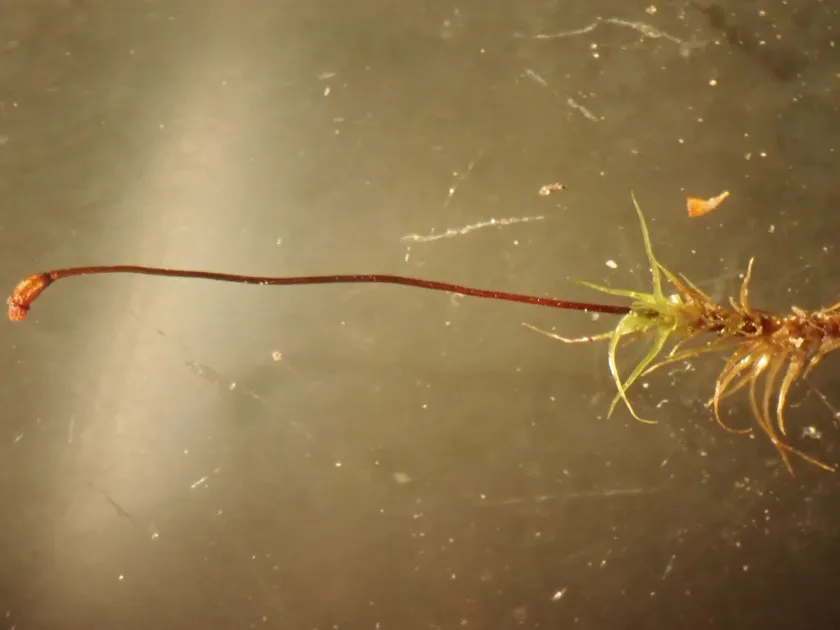
Description
Growing requirements
Dicranella grevilleana is a perennial moss belonging to the Dicranaceae family. While not a conventional agricultural crop, it is a significant element of temperate ecosystems and a fascinating subject for botanical and environmental studies.
This moss typically grows in dense, upright tufts. Its morphological structure is adapted to moisture retention, which allows it to survive in habitats where the moisture levels fluctuate but generally remain high, such as damp soil banks and cliff edges.
The environmental requirements for this species include high atmospheric humidity and well-drained, mineral-rich soils. It favors areas with neutral to slightly acidic pH levels, avoiding deep shade while also remaining sensitive to direct, intense sunlight during the hottest periods of the day.
In terms of distribution, Dicranella grevilleana is found in boreal and temperate zones. It is highly cold-hardy, demonstrating an impressive capacity to withstand freezing temperatures through a state of physiological dormancy during the winter months.
Its ecological function is that of a colonizer. It occupies disturbed soil surfaces, helping to stabilize substrates and reduce wind or water erosion. By acting as a pioneer species, it prepares the soil for more complex vegetation to follow.
Main diseases and pests
The primary threat to the stability of Dicranella grevilleana populations is land drainage and hydrological alteration. As a moisture-dependent organism, even minor shifts in water tables can lead to the rapid decline of its colonies.
Environmental pollution represents a significant hazard. Being bryophytes, these plants absorb water and nutrients directly from their environment, making them highly susceptible to accumulating pesticides, heavy metals, and industrial pollutants.
Competition from taller, more aggressive herbaceous plants can lead to the displacement of moss mats. When an area becomes overly nutrient-rich or stable, fast-growing vascular plants often outcompete the moss for space and sunlight.
Mechanical disturbance, including human trampling or animal grazing, can severely damage the fragile tufts of the moss. Recovery of such patches is generally slow due to the specialized conditions required for spore germination and colony establishment.
Pathogenic fungi can pose a risk under conditions of poor ventilation and excessive stagnation. Prolonged waterlogging can induce rot, leading to the decay of the gametophytes and reducing the overall reproductive success of the population.