
Dicranella crispa
Dicranella crispa
Description
Growing requirements
Dicranella crispa is a species of moss belonging to the Dicranaceae family. While not an agricultural crop, it is a significant organism in ecological studies, particularly in bryology, where it serves as an indicator of specific moisture and soil conditions.
The plant is typically found in temperate and subarctic regions of the Northern Hemisphere. It thrives in habitats characterized by high humidity, such as stream banks, moist cliffs, and disturbed bare soil patches where it acts as a pioneer species.
Growth requirements for this species are centered around stable soil moisture and moderate light levels. Dicranella crispa prefers acidic to neutral soils and is particularly adept at colonizing sandy or silty substrates that are low in nutrients but high in moisture.
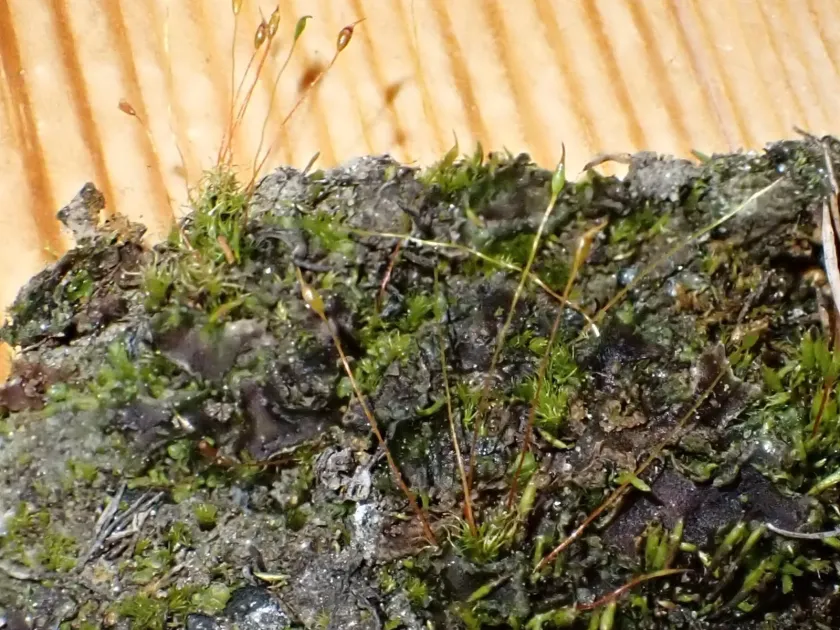
Botanically, it is known for its lanceolate, spreading leaves that appear curled or crispate when dry, providing the specific epithet for the plant. The sporophytes develop on elongated stalks, with capsules that are often inclined, reflecting the wind-dispersed nature of its reproduction.
The role of this moss in the ecosystem includes soil stabilization. By forming dense cushions, the plant helps to prevent surface erosion on slopes and keeps the upper layer of the soil moist, creating micro-habitats for various microorganisms.
Main diseases and pests
The primary threat to Dicranella crispa populations is the alteration of the hydrological cycle. Large-scale drainage projects and the stabilization of land through heavy vegetative cover often lead to the displacement of this moss from its preferred niche.
Pollution represents a major risk factor. As a non-vascular plant, it absorbs nutrients and water directly through its leaves, making it highly sensitive to atmospheric pollutants and chemical runoff that can accumulate in the soil and water sources.
Intense competition with vascular plants is another challenge. When a habitat becomes more nutrient-rich due to nitrogen deposition, fast-growing grasses and herbaceous plants often overshadow the moss, blocking the light required for its photosynthesis.
There are no known agricultural pests or diseases that target Dicranella crispa as it is not a cultivated species. However, physical disturbances such as soil compaction from machinery or livestock grazing can destroy the integrity of the moss colonies.
Conservation efforts for this species focus primarily on protecting its natural habitat from human interference. Maintaining the natural drainage and avoiding chemical contamination are the best ways to ensure the survival of this moss in its native environment.