
Cynodontium tenellum
Cynodontium tenellum
Description
Growing requirements
Cynodontium tenellum belongs to the Dicranaceae family. It is a leafy moss species that is not classified as an agricultural crop, as it holds no industrial or commercial value in modern agriculture or crop production.
This species is characterized by specific microclimatic requirements. It typically thrives in moist, shaded environments, often colonizing rock crevices, cliff faces, or decaying wood in regions with high atmospheric humidity.
The geographical distribution of the species encompasses primarily northern latitudes and alpine regions of the temperate zone. It plays a crucial ecological role by retaining moisture in the substrate and preventing soil erosion in rugged, inaccessible terrains.
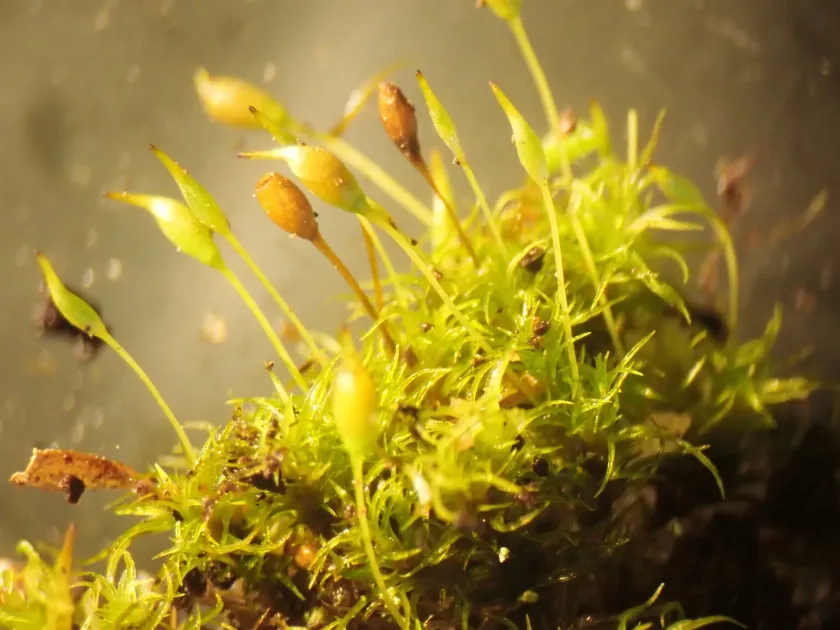
Botanically, the plant forms dense, small tufts ranging from a few millimeters to a centimeter in height. The leaves have a distinct lanceolate shape, often with serrated edges, which is reflected in the genus name. Reproduction occurs primarily through spores, which develop in capsules borne on long setae.
In its natural habitat, the species is sensitive to air pollution and changes in local hydrological regimes. Currently, there are no efforts to cultivate this moss for industrial or agricultural purposes, given the lack of economic utility and the complex, specialized requirements for its growth.