
Dicranella heteromalla
Dicranella heteromalla
Description
Growing requirements
Dicranella heteromalla, a member of the Dicranaceae family, is a common moss species widely distributed across the temperate regions of the Northern Hemisphere. While not a commercial crop, it is a significant element of the ground cover in forest environments and nursery sites.
The plant thrives in moist, acidic substrates rich in organic matter. It often acts as a pioneer species on bare soil, assisting in the initial stabilization of the top layer and preventing erosion in sensitive landscapes.
Climatic requirements are specific to high humidity and moderate temperatures. The species is highly intolerant of direct, prolonged sunlight, preferring shaded forest edges or sheltered spots where moisture retention is optimal throughout the year.
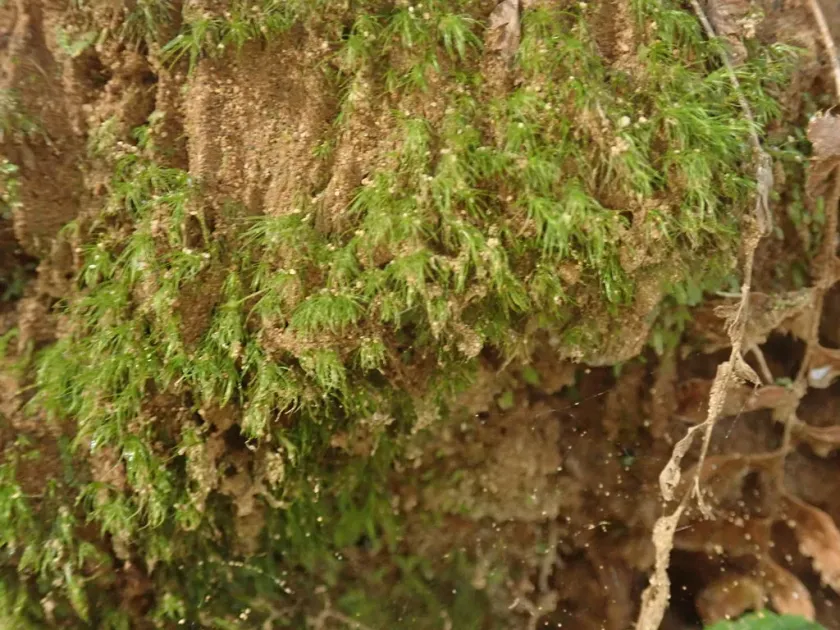
Botanically, it features narrow, lanceolate leaves that often curve to one side, which is a characteristic trait for field identification. The sporophytes (capsules) are usually inclined, standing on relatively long, distinct stalks that emerge above the moss mat.
In terms of land use, its presence serves as a bioindicator for soil acidity and moisture levels. Agricultural managers can observe the density of Dicranella to determine if soil drainage or pH adjustment is required before planting other crops.
Main diseases and pests
The primary threat to the stability of Dicranella populations is the alteration of hydrogeological conditions. Extensive drainage projects and long-term droughts significantly deplete the moisture reserves required for the plant's survival.
Chemical intervention remains a significant risk. The application of lime to neutralize soil acidity directly harms this species, which is ecologically adapted to acidic, low-nutrient environments where many other plants struggle.
Mechanical damage caused by heavy machinery or intensive livestock grazing is detrimental. The moss lacks structural resistance to crushing, and destroyed mats may take years to recover through sporophyte germination.
Intense competition with invasive grasses or dense canopy growth can also suppress the population. While the plant prefers shade, an excessive amount of leaf litter or crowding by larger vegetation may deprive it of the micro-climate it requires.
Fungal outbreaks, typically triggered by extreme stagnation of water, can lead to the decay of the moss colony. When the rhizoids rot, the entire mat detaches from the soil, leading to rapid degradation of the vegetation cover.