
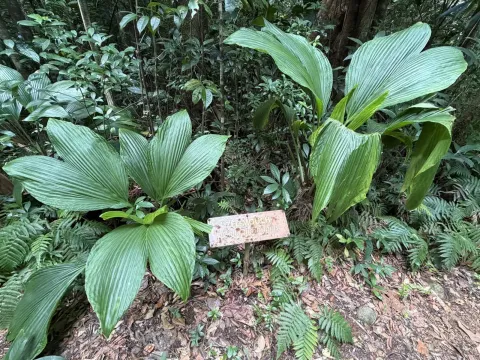
Asplundia
Asplundia
Asplundia is a genus of plants within the family Cyclanthaceae, known for its distinctive palm-like appearance and ecological role in tropical rainforests. These plants are often epiphytic or hemiepiphytic, attaching themselves to forest trees.
What the section contains


Asplundia
The native range of Asplundia spans the tropical regions of Central and South America. They thrive in environments characterized by high ambient humidity, consistent warmth, and low light intensity on the forest floor.
Optimal growth requires well-drained, humus-rich, and slightly acidic soils. Growers must ensure that the growing medium remains moist but never waterlogged, as the roots are highly susceptible to anaerobic conditions.
Agrotechnical management involves simulating the natural canopy layer. Direct sunlight is detrimental to the development of healthy, flexible leaves required for fiber production, so shading is a standard requirement.
The primary commercial use of Asplundia is the extraction of durable, flexible fibers from the young leaves and petioles. These fibers are traditionally used to create high-quality straw hats, which have significant economic importance in specific Latin American regions.
Root rot, driven by improper irrigation or poor soil structure, is the most critical threat to Asplundia health. Maintaining effective drainage is essential for plant survival.
Fungal leaf spots are common in environments with inadequate air circulation. These diseases reduce the quality of the harvested material, making the fiber brittle or discolored.
Scale insects and mealybugs represent the primary entomological pests. They colonize the undersides of the leaves, drawing plant nutrients and leading to stunted growth.
Gastropods, including snails and slugs, are frequent threats in shaded, humid nursery settings. They can consume large portions of young tissue if not strictly managed.
Extreme weather events, such as unexpected cold fronts or severe droughts, cause rapid tissue damage. Asplundia cannot recover easily from cold stress, which often results in plant mortality.