
Cyclanthus
Cyclanthus
Cyclanthus is a genus of perennial herbaceous plants belonging to the Cyclanthaceae family. Native to the tropical rainforests of Central and South America, this plant is well-adapted to high-humidity environments and forest understory conditions.
What the section contains

Cyclanthus
The cultivation of Cyclanthus requires a warm, stable climate. It thrives in well-draining, humus-rich soil that mimics the organic layer of the forest floor, ensuring that roots remain moist but not waterlogged to prevent rot.
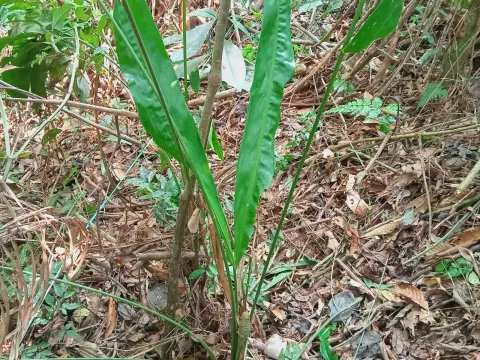
Botanically, the plant is distinguished by its unique bifid or fan-shaped leaves arising from a creeping rhizome. These leaves are the primary characteristic identifying the species within its natural habitat in the neotropics.
In terms of agricultural requirements, Cyclanthus needs indirect, filtered light to mimic the canopy shade. Direct sunlight is detrimental to its foliage, often leading to scorched leaves and stunted growth patterns.
While not a major commercial crop, its use is primarily focused on botanical research and decorative horticulture. Its biological efficiency in low-light environments makes it an interesting subject for greenhouse cultivation specialists.
Fungal pathogens represent the most significant threat to Cyclanthus. Poor soil drainage combined with stagnant air circulation can quickly lead to root decay and decline of the entire plant structure within weeks.
Spider mites are the most common pests, particularly when humidity levels drop below the required threshold for tropical plants. They thrive in dry, warm indoor environments, feeding on the undersides of the broad foliage.
Mealybugs and scale insects may also infest the plant, drawing nutrients from the stems and leaf bases. Early detection and physical removal, followed by an appropriate insecticidal treatment, are essential for control.
Maintaining proper hygiene in the growing space is critical. Removing any dead or decaying leaf tissue helps to prevent the spread of opportunistic fungi and keeps the environment clean for healthy growth.
Systemic fungicides are recommended only as a last resort for severe infections. Most issues can be mitigated by strictly regulating the watering schedule and ensuring that the ambient temperature remains consistently above 18°C.