
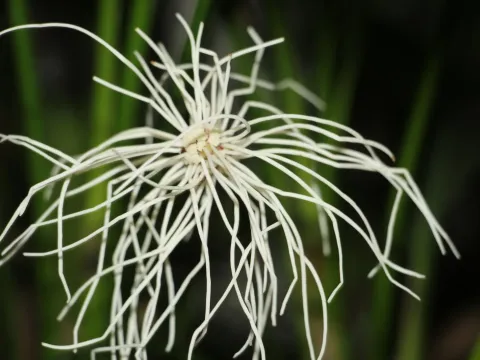
Dicranopygium
Dicranopygium
Dicranopygium belongs to the Cyclanthaceae family and is a perennial herb native to the understory of humid tropical forests across Central and South America.
What the section contains
Dicranopygium
The plant thrives in environments characterized by high ambient humidity and stable temperatures. It is naturally adapted to shaded forest floors, necessitating protection from intense, direct solar radiation to maintain healthy foliage.
Soil requirements include a loose, well-draining substrate that is rich in organic matter. A slightly acidic to neutral pH level is ideal for simulating the natural nutrient-rich forest litter environment where these plants originate.
Agricultural management requires consistent irrigation to keep the root zone moist without leading to waterlogging. Providing a warm, stable climate between 20°C and 28°C is essential for maintaining consistent vegetative growth.
Industrially, the plant is valued for its fibers, which are traditionally used in weaving handicrafts. Beyond its utilitarian value, it serves as an ornamental species in tropical landscaping and botanical collections.
Fungal infections, particularly root rot, represent the primary threat to Dicranopygium health. These pathologies are typically caused by poor drainage or excessive soil moisture levels.
To mitigate the risk of disease, it is essential to ensure adequate airflow and prevent the accumulation of stagnant water in the growing medium, which encourages the proliferation of soil-borne pathogens.
Common pests affecting the plant include spider mites and mealybugs. These insects are particularly prevalent when the relative humidity drops below optimal levels, stressing the plant and making it susceptible to infestation.
Regular monitoring of leaf surfaces is a vital practice for early pest detection. Maintaining optimal humidity levels through occasional misting or proper environmental control acts as an effective preventive measure.
In cases of significant infestation, integrated pest management practices utilizing biological controls are recommended to preserve the integrity of the plant's structural fibers and overall vigor.