
Carludovica drudei
Carludovica drudei
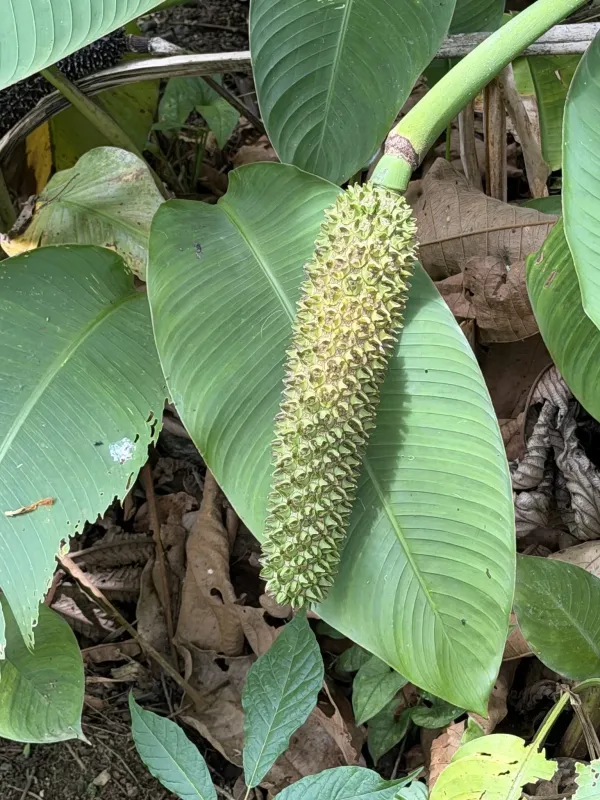
Description
Growing requirements
Carludovica drudei is a perennial herbaceous plant belonging to the Cyclanthaceae family. Often mistaken for a palm due to its long, bifid leaves, it is botanically distinct and thrives as a forest-floor plant in its native tropical habitats.
The species originates from the rainforests of Central and South America. Its natural environment is characterized by high humidity, stable warm temperatures, and filtered sunlight, which are essential factors to replicate in a controlled cultivation environment.
Successful growth requires a well-draining, nutrient-rich soil mix. A mixture of peat, pine bark, and perlite is generally recommended to ensure the roots receive adequate oxygen while maintaining the moisture levels required for this tropical species.
Climate requirements include consistently high humidity levels, ideally above 70%. The plant should be protected from direct sunlight, which can scorch its large, delicate leaves, and kept away from cold drafts which could induce leaf drop or stunted growth.
The main use of Carludovica drudei is ornamental. It is highly valued in greenhouse management and interior landscaping for its lush, tropical appearance, serving as a focal point in environments where space allows for its significant spread.
Main diseases and pests
The most common pests affecting this plant are spider mites, especially when environmental humidity is not maintained properly. These pests can quickly damage the foliage, leading to yellowing and premature death of the leaves.
Pathogenic threats include various fungal root rots caused by waterlogged soil. Proper drainage and avoiding overwatering are the primary measures for preventing these diseases, ensuring the long-term health of the root system.