
Asplundia humilis
Asplundia humilis
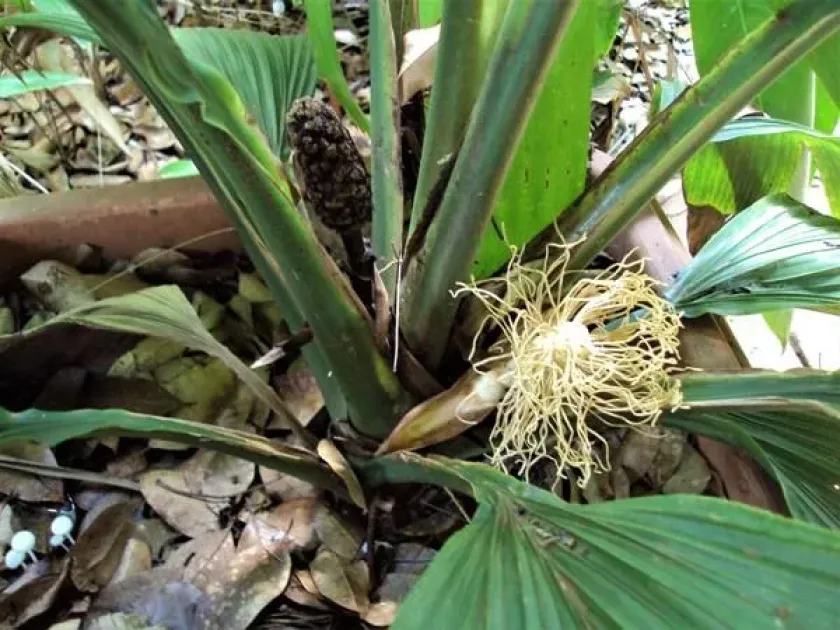
Description
Growing requirements
Asplundia humilis is a notable herbaceous plant belonging to the Cyclanthaceae family. Known for its distinct leaf structure, it serves as a representative of the understory vegetation in tropical ecosystems, often displaying growth patterns similar to epiphytes or terrestrial shrubs.
The plant originates from the tropical regions of Central and South America. Its natural habitat is defined by a dense forest canopy, which dictates its preference for filtered light, high ambient humidity levels, and consistent warm temperatures throughout the year.
To cultivate this species effectively, one must provide a soil medium that is both porous and rich in organic matter. A well-balanced substrate helps mimic the forest floor, ensuring that roots receive adequate oxygen while maintaining the moisture levels required for tropical plant development.
Agrotechnical management includes regular misting and avoiding direct sunlight, which can scorch the delicate foliage. As Asplundia humilis prefers stable conditions, growers must focus on minimizing thermal fluctuations, as environmental stress can lead to reduced vigor.
Economically and horticulturally, the species is highly valued for indoor landscaping and botanical display. Its unique aesthetics make it a popular choice for designers looking to incorporate authentic tropical greenery into conservatories and managed interior environments.
Main diseases and pests
Like many plants from the Cyclanthaceae family, this crop is sensitive to pests such as spider mites and aphids, especially in dry environments. Root rot remains the primary threat regarding plant health, usually triggered by overwatering or poor drainage systems in containers.