
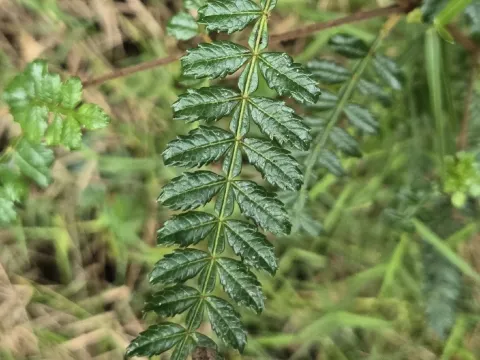
Weinmannia pinnata
Weinmannia pinnata
Weinmannia pinnata is a significant species belonging to the Cunoniaceae family. This evergreen tree is native to the montane forests of Central and South America, where it thrives in specific high-altitude ecosystems characterized by moderate temperatures and consistent rainfall.
What the section contains
Weinmannia pinnata
The cultivation of this plant requires specific environmental conditions, primarily focusing on high atmospheric humidity and well-draining acidic soils. It is highly sensitive to waterlogging, which necessitates careful soil preparation and drainage management in agricultural settings.
Botanically, the species is distinguished by its pinnate leaves with serrated margins and its small, white-to-cream flowers arranged in dense racemes. These structural features allow the tree to adapt effectively to light-deficient forest floors while maintaining vigorous growth.
From an agricultural and economic perspective, Weinmannia pinnata is valued for its hard and durable timber. Furthermore, the bark contains high concentrations of tannins, making it a sustainable source for traditional leather tanning processes and medicinal applications.
In landscape management, it serves as an ornamental tree in suitable climates, providing dense foliage and visual appeal during its flowering season, while also contributing to soil stabilization in sloped terrains.
The primary threats to the health of Weinmannia pinnata include various root rot pathogens that proliferate in poorly drained soils. Preventing soil compaction and ensuring adequate aeration are critical steps in mitigating these threats.
Pest management is equally important, as the plant is susceptible to infestations by scale insects and spider mites. These pests can cause significant damage to the foliage, leading to reduced photosynthetic activity and overall plant decline.
Cultural practices such as regular pruning and maintaining appropriate spacing between individual trees are essential to prevent the spread of fungal diseases like powdery mildew, which thrives in humid and crowded conditions.
Integrated Pest Management (IPM) strategies are recommended for managing these threats, emphasizing biological controls and natural extracts to preserve the ecological balance while protecting the health of the trees.
Ongoing monitoring for early symptoms, such as leaf discoloration or stunted growth, allows for timely intervention, ensuring the long-term productivity and vitality of the plantation.