
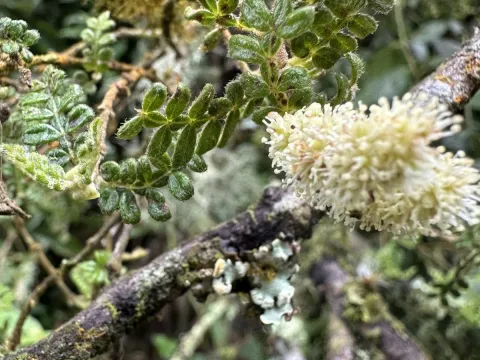
Weinmannia
Weinmannia
Weinmannia is a genus of evergreen trees and shrubs belonging to the Cunoniaceae family. Native to tropical and subtropical regions across the Southern Hemisphere, including Madagascar, the Pacific Islands, and the Americas, these plants thrive in diverse humid environments.
What the section contains


Weinmannia
The culture requires well-drained, acidic to neutral soils rich in organic matter. They are sensitive to moisture extremes and soil compaction; therefore, providing a loose, well-aerated substrate is crucial for healthy root development and overall plant vitality.
Botanically, Weinmannia is distinguished by its opposite, often pinnate leaves and small, numerous flowers grouped in racemes or panicles. The trees display a distinctive structural elegance, making them desirable in landscape design and specialized horticultural collections.
Agricultural practices for Weinmannia include maintaining consistent soil moisture and providing partial shade, especially during the establishment phase. Proper spacing is essential to ensure adequate airflow and light penetration, which helps prevent canopy density issues.
Economically, Weinmannia is valued for its dense, durable wood used in fine woodworking. Additionally, certain species are studied for their potential in tannin production and as decorative elements in botanical gardens and forestry restoration projects.
The primary threats to Weinmannia are fungal pathogens, specifically root rot, which occurs in poorly drained soils. Excess moisture promotes the proliferation of water molds, which can cause rapid vascular collapse and tree death if not managed early.
Common pests include scale insects and spider mites, which typically target trees under stress or in conditions with low humidity. Integrated pest management, including natural predators and targeted chemical treatments, is recommended to mitigate infestations.
Nutritional deficiencies, such as magnesium or iron chlorosis, can weaken the plant's natural defenses, making it more susceptible to infections. Correcting soil pH and providing balanced micronutrient supplementation is essential for sustaining vigorous growth.
Environmental stress, including frost or prolonged dry spells, significantly impacts the plant's immune system. Providing adequate protection in climate-sensitive areas or using mulching techniques helps maintain stable root temperatures and moisture levels.
Regular monitoring for leaf spots and stem cankers is necessary to identify emerging threats before they become systemic. Early intervention, including pruning affected branches and applying copper-based fungicides, can successfully prevent major losses.