
Weinmannia mauritiana
Weinmannia mauritiana
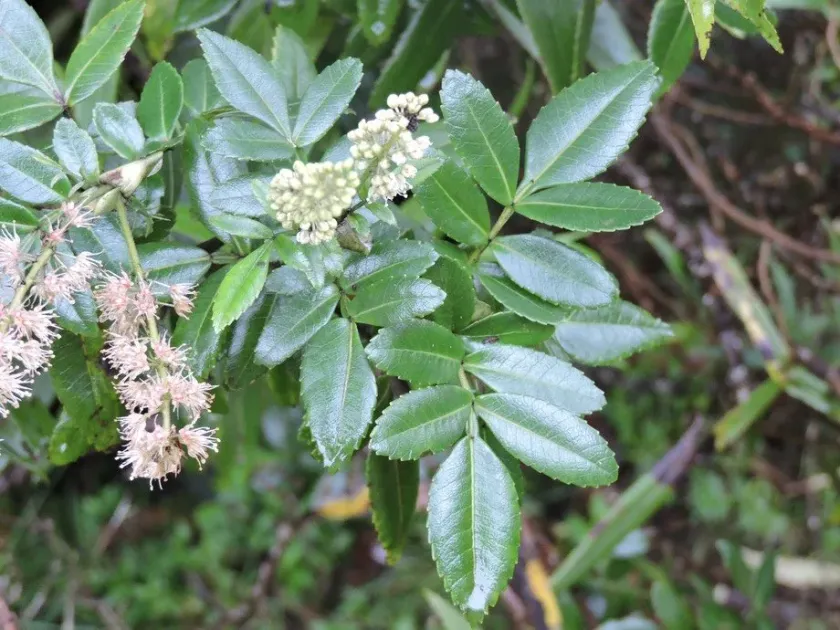
Description
Growing requirements
Weinmannia mauritiana is a perennial woody plant belonging to the Cunoniaceae family. It is recognized for its unique adaptation to tropical mountain climates and its distinctive aesthetic appeal in botanical collections and specialized landscaping projects.
The species originates from the island of Mauritius, where it is found in high-altitude moist forests. It thrives in environments characterized by persistent mist, moderate temperatures, and high annual rainfall, defining its ecological niche as a montane forest tree.
Regarding soil requirements, this culture demands well-draining substrates rich in organic matter. An acidic soil environment, mirroring its natural volcanic or forest soil origin, is highly recommended to ensure optimal nutrient uptake and general plant vigor.
Climate conditions are critical for the successful growth of Weinmannia mauritiana. It prefers mild, stable temperatures without extreme heat or frost. Exposure to strong winds or direct, harsh sunlight can lead to leaf desiccation, necessitating sheltered cultivation sites.
Agronomic management includes a consistent irrigation schedule, keeping the soil moist but never waterlogged. Incorporating a light organic mulch around the base of the plant helps maintain soil humidity and mimics the natural forest floor conditions essential for root health.
Main diseases and pests
Root rot pathogens represent the most significant threat to Weinmannia mauritiana, particularly in poorly drained containers or heavy clay soils. Ensuring proper aeration and drainage is the primary defense strategy against these harmful oomycetes.
Insect pests such as scale insects (Coccidae) often infest the stems and leaves, extracting plant sap and leading to a decline in growth. Regular inspection and the use of horticultural oils can effectively manage these infestations without harming the plant.
Spider mites are another common pest in indoor environments or greenhouses with low humidity. These pests thrive in dry conditions and can cause significant foliage damage if the atmospheric humidity is not maintained at appropriate levels.
Fungal leaf spots can occur when the foliage remains wet for extended periods in environments with poor air circulation. Improving ventilation around the tree canopy is a simple yet effective method to mitigate the spread of such diseases.
Nutritional deficiencies, specifically nitrogen or potassium, can manifest as stunted growth or leaf chlorosis. Implementing a balanced liquid fertilization program during the peak growing season ensures the plant maintains its structural integrity and foliage health.