
Momordica trifoliolata
Momordica trifoliolata
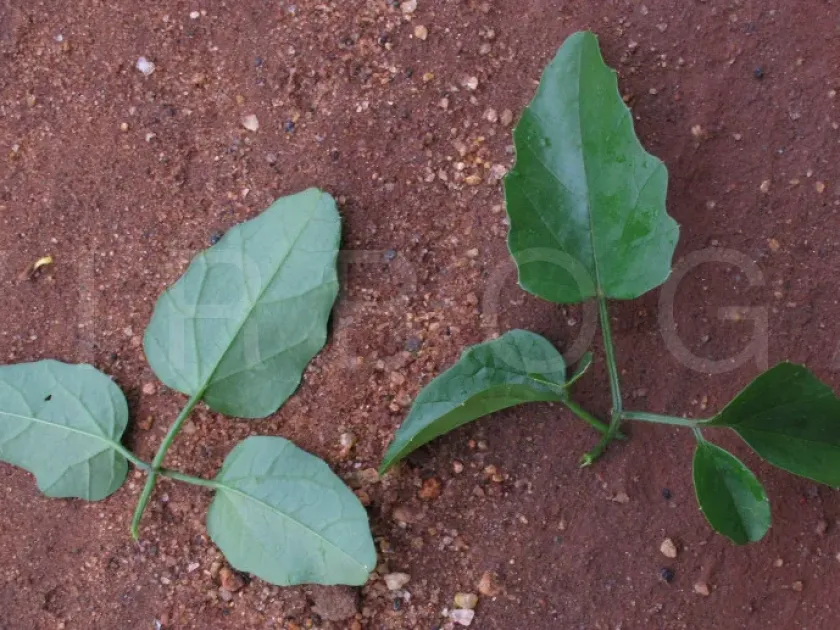
Description
Sowing dates
Momordica trifoliolata is a heat-loving climbing plant belonging to the Cucurbitaceae family. Due to its long vegetation period, it is best grown as a transplant crop in temperate regions.
Seeds should be sown indoors in late March or early April. Before sowing, it is advisable to scarify the hard seed coat or soak them in a growth promoter to improve germination rates.
Germination requires a constant temperature of 25°C. Once sprouts appear, the seedlings should be placed in a well-lit area to prevent legginess, maintaining a temperature of approximately 20°C.
Transplanting into the garden or greenhouse should occur only after the risk of frost has passed. The soil must be well-warmed, as cold soil can significantly stunt the growth of young plants.
A spacing of 60–80 cm between plants is recommended to provide sufficient space for foliage expansion and proper air circulation, which is crucial for healthy vine development.
Growing requirements
This crop demands full sun exposure and a long day length. Shade or low light levels will result in weak, thin vines and a poor fruit set, which is the most common issue for beginner growers.
The use of vertical trellises is essential. Momordica trifoliolata is a vigorous climber; providing support keeps the fruits off the ground, reducing the risk of rot and making harvest much easier.
The soil should be fertile, well-draining, and rich in organic matter. A sandy loam with a slightly acidic to neutral pH is ideal for promoting rapid root and shoot growth.
Water management is critical. The plant needs frequent watering during the flowering and fruiting stages but cannot tolerate waterlogging, which often leads to root fungal infections.
Regular fertilization with a balanced NPK fertilizer, supplemented with extra potassium during the flowering stage, will significantly increase total yield and fruit quality.
Main diseases and pests
Common fungal diseases, particularly powdery mildew, are the primary threats to the health of the vine. These are usually encouraged by high humidity and poor air movement.
Root rot caused by overwatering or poorly drained soil can be devastating. Preventive measures include ensuring good drainage and avoiding excessive nitrogen applications that make tissues soft.
Pests such as aphids and spider mites frequently attack the foliage, especially in hot and dry weather. Regular inspection is necessary to catch infestations before they cause severe damage.
Integrated pest management, including the use of neem oil or biological controls, is highly recommended to keep pest populations at bay without contaminating the edible fruit.
Cleaning the growing area of weeds and debris is a simple yet effective way to prevent the buildup of pathogens and common garden pests that target Cucurbitaceae crops.
Harvesting
Harvesting typically begins 60 to 90 days after sowing. The fruits should be picked while they are still firm and before they start to change color or crack open.
Care must be taken during the harvesting process to use sharp scissors or clippers. Cutting the stem instead of pulling the fruit prevents damage to the delicate vine structure.
Fruits are best harvested early in the morning or late in the evening when the heat is minimal. This helps maintain fruit turgor and improves their post-harvest shelf life.
Since the fruits have a relatively short shelf life, they should be utilized or processed shortly after being harvested from the vine to ensure optimal taste and nutritional value.
Storage should be in a cool, dry place away from direct sunlight. While they can withstand brief storage, the best quality is achieved when the product is consumed fresh.