
Momordica cardiospermoides
Momordica cardiospermoides
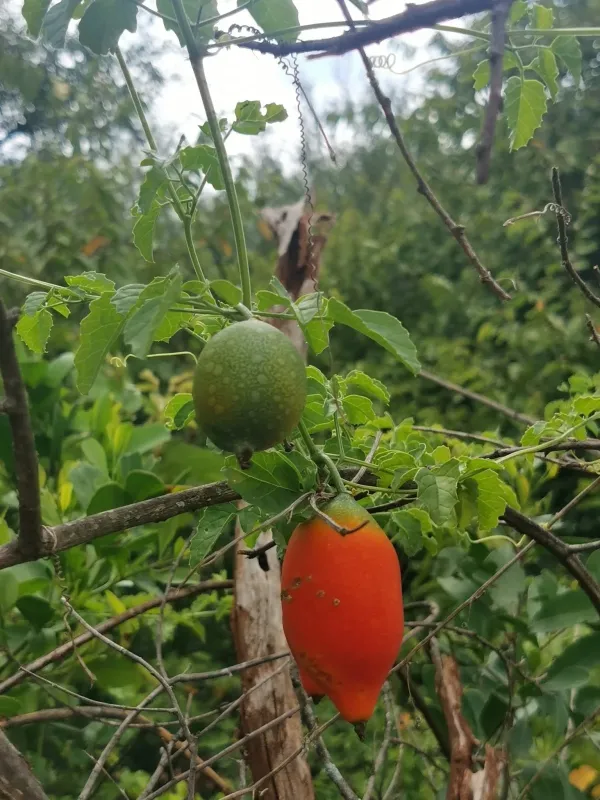
Description
Sowing dates
Sowing Momordica cardiospermoides starts with selecting healthy, mature seeds that have been properly dried. In temperate climates, starting seeds indoors is necessary to ensure a long enough growing season for fruit development.
Seeds should be soaked in lukewarm water for several hours before planting to soften the tough seed coat. Using a sterile, well-draining potting mix is essential for the early stages of development.
Plant the seeds about 2 centimeters deep and maintain a temperature of approximately 25 degrees Celsius. Germination typically occurs within two weeks under stable moisture conditions.
Transplanting into the garden must only occur once all danger of frost has passed. This plant is a warm-season annual and will suffer stunted growth if exposed to temperatures below 15 degrees Celsius.
Space the seedlings appropriately, allowing at least 60 centimeters between plants. This spacing is vital for air circulation, which helps reduce the incidence of fungal pathogens later in the season.
Growing requirements
Momordica cardiospermoides belongs to the Cucurbitaceae family and thrives in nutrient-rich, loamy soils with excellent drainage. It prefers a slightly acidic to neutral pH range.
This species is a vigorous climber, requiring robust vertical support systems such as trellises or netting. Providing vertical space encourages better plant health and facilitates fruit harvesting.
Sunlight is critical; the plant requires at least six to eight hours of direct sun daily for optimal blooming and fruit set. Shaded areas will result in leggy plants and reduced yield.
Water requirements are high during the vegetative phase, but once the fruit begins to develop, consistent moisture is necessary to prevent fruit cracking and blossom drop.
Regular fertilization with a balanced, organic-based NPK fertilizer will support the rapid growth of the vine. Focus on increased potassium application once the flowering stage begins.
Main diseases and pests
Aphids and spider mites are the most common pests, particularly when growing the plant in greenhouse conditions with high temperatures and low humidity.
Powdery mildew is a frequent fungal threat that manifests as white, dusty spots on the leaves. Improved air circulation and avoiding overhead watering can significantly mitigate this risk.
Root rot, caused by overwatering or poorly drained soil, is the most common cause of plant failure. It is essential to allow the soil surface to dry slightly between watering cycles.
Root-knot nematodes can pose a significant challenge if the plant is grown in infested soil. Implementing a crop rotation strategy is an effective preventive measure for large plots.
Slugs and snails can cause significant damage to young, tender foliage. Placing physical barriers or using non-toxic baits around the base of the plant can provide adequate protection.
Harvesting
Harvesting should be timed carefully based on visual indicators of fruit maturity. Picking the fruit at the peak of technical ripeness ensures the best texture and flavor profile.
Use sharp garden shears to cut the fruits from the vine rather than pulling them by hand. This prevents accidental damage to the delicate stems and leaves of the mother plant.
Post-harvest handling is critical, as these fruits are generally perishable. Keep them in a cool, dark, and well-ventilated area for immediate use or culinary processing.
For seed collection, allow the fruits to remain on the vine until they are fully mature and show signs of splitting. Once collected, clean the seeds and dry them in a shaded area.
Always inspect harvested fruits for any signs of decay or damage before storage. Proper sorting ensures the quality of the batch and prevents cross-contamination during storage.