
Neoalsomitra clavigera
Neoalsomitra clavigera
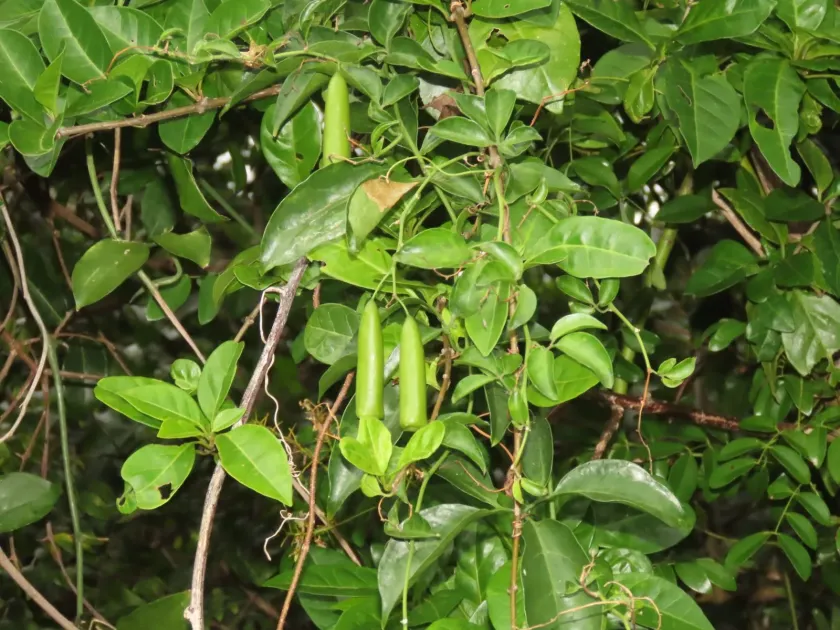
Description
Sowing dates
Neoalsomitra clavigera is a climbing plant native to tropical regions, belonging to the Cucurbitaceae family. Propagation primarily starts with seeds, which require specific conditions to break dormancy and initiate successful germination.
Seeds should be sown in a light, well-draining peat-based medium at a shallow depth. Maintaining a constant temperature of about 25 degrees Celsius is essential for high germination rates. Keeping the substrate consistently moist but not saturated is the primary goal during this phase.
The germination period usually lasts from two to four weeks. Once the seedlings emerge, they require access to bright, filtered light to prevent legginess. Proper ventilation is also crucial to ensure the health of the young sprouts.
Transplanting should occur when the plant has developed at least three true leaves. Care must be taken not to damage the fragile root system, as Neoalsomitra species are known to be sensitive to root disturbance during the initial growth stages.
Establishing a support structure early is recommended, as the plant naturally seeks to climb. Providing a vertical trellis or a mesh screen helps the plant orient its tendrils correctly and promotes healthier foliage development.
Growing requirements
The cultural requirements of this vine are strictly tropical. It thrives in environments where temperatures stay between 20 and 28 degrees Celsius year-round. It is highly intolerant to frost and cold drafts, which can cause immediate tissue damage.
Bright, indirect light is the preferred exposure for Neoalsomitra clavigera. While it belongs to a family of sun-loving plants, this specific species is adapted to forest understories, making it susceptible to foliage scorch if exposed to direct, harsh sunlight.
Soil quality must be high, emphasizing drainage and organic content. A mix containing coconut coir, perlite, and a small amount of compost works best to provide necessary nutrients while allowing excess water to escape freely.
Humidity levels should ideally be maintained above 70 percent. In drier climates, the use of ultrasonic humidifiers or regular misting of the leaves is required to keep the plant in peak condition. Leaf tips often brown if humidity falls below acceptable limits.
Regular fertilization with a balanced, water-soluble fertilizer is beneficial during the growing season. Applying half-strength liquid food every two weeks supports the rapid growth and the development of the characteristic, elegant tendrils.
Main diseases and pests
Spider mites are the most persistent pest for Neoalsomitra clavigera, especially when the plant is kept in indoor settings with low ambient humidity. These pests thrive in dry air and can quickly decimate the foliage if left unchecked.
Managing humidity is the primary biological control method for spider mites. If an infestation occurs, insecticidal soaps or neem oil applications applied to both sides of the leaves are effective for mitigation without causing damage to the plant.
Root rot remains the most significant threat regarding plant health. It is almost exclusively caused by overwatering or soil that lacks adequate aeration. Once the root system is compromised by anaerobic conditions, the plant is difficult to recover.
Powdery mildew can occasionally appear on the leaves if the air circulation around the plant is stagnant. Ensuring that the plant has enough space around it and avoiding overhead watering helps to lower the risk of fungal infections.
Sanitation practices are essential for disease prevention. Removing any yellowing or dead leaves immediately prevents the spread of bacteria and fungi, while regular cleaning of the growing area keeps the environment conducive to long-term health.