
Momordica cissoides
Momordica cissoides
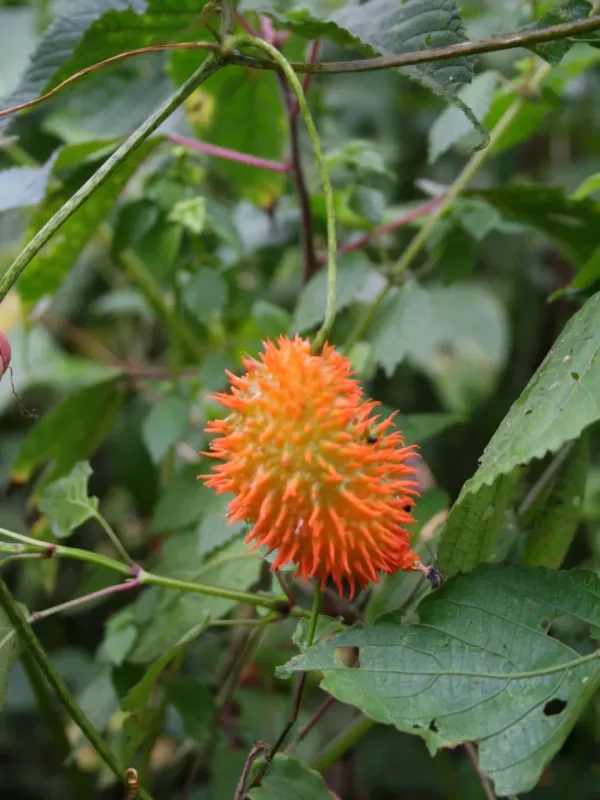
Description
Sowing dates
Momordica cissoides is a member of the Cucurbitaceae family, typically native to tropical regions. Successful cultivation requires a warm environment with soil temperatures consistently above 20 degrees Celsius to initiate germination.
Seeds should be pre-treated by soaking in warm water for 24 hours to soften the hard seed coat. Planting is usually done at a depth of 2 to 3 centimeters, using a nutrient-rich, well-draining potting medium.
When starting indoors, seeds are placed in individual containers to prevent root disturbance during transplanting. This practice ensures better plant establishment once the risk of cold weather has completely passed.
In field production, a spacing of approximately 1 meter between plants is recommended. This allows for adequate airflow and provides enough space for the sprawling vines to develop fully on trellis systems.
Once seedlings emerge, they should receive immediate exposure to bright, indirect sunlight to encourage robust stem development before being hardened off for outdoor planting.
Growing requirements
This plant thrives in fertile, loamy soils that maintain moisture without becoming waterlogged. A neutral to slightly acidic pH range is considered ideal for optimizing nutrient uptake and plant growth.
The climatic requirements are strictly tropical, necessitating stable temperatures between 22 and 30 degrees Celsius. Exposure to frost or prolonged temperatures below 10 degrees Celsius can cause irreversible damage to the vines.
Moisture management is crucial during the flowering and fruiting stages. Drip irrigation is the preferred method to deliver water directly to the root zone, reducing the incidence of foliar diseases caused by overhead watering.
Vertical support is essential for this species. Providing sturdy trellises or netting allows the vines to climb effectively, which improves sunlight interception and keeps the fruit off the ground to prevent rot.
Nutrient supplementation should focus on balanced organic fertilizers or compost. During the development of fruits, supplemental potash applications can improve the quality and shelf-life of the harvest.
Main diseases and pests
The primary pests affecting Momordica cissoides are aphids and spider mites, which thrive in hot and arid conditions. Regular monitoring of the undersides of leaves is recommended for early detection.
Powdery mildew represents the most significant fungal threat, characterized by a white, powdery coating on the foliage. It is frequently triggered by poor ventilation and high humidity levels in sheltered environments.
Anthracnose may also cause circular, dark lesions on the fruit, reducing marketability. Maintaining strict garden hygiene and removing infected plant tissue immediately helps limit the spread of the pathogen.
Root-knot nematodes can be a problem in warmer climates where the crop is grown continuously. Rotating crops with non-susceptible species is an effective cultural control strategy.
To mitigate pest and disease pressure, implementing integrated pest management (IPM) practices, such as encouraging natural predators, is often more sustainable than total reliance on synthetic pesticides.
Harvesting
Harvesting should be performed systematically as the fruits reach their desired maturity. For Momordica cissoides, indicators of harvest readiness include a specific color change and fruit firmness.
Careful hand-harvesting using pruning shears is required to avoid damaging the vine. Leaving a short segment of the stalk attached to the fruit can help maintain freshness and reduce water loss after harvest.
The frequency of harvest increases during the peak of the growing season. Collecting fruit consistently helps keep the plant productive and encourages the continuous formation of new flowers and subsequent fruit sets.
Once harvested, fruits should be kept in a cool, shaded environment to minimize dehydration. Avoiding direct sunlight post-harvest is essential to preserve the visual appeal and nutritional content of the crop.
For supply chain distribution, fruits must be sorted to remove any damaged or overripe specimens. Proper ventilation during storage and transport is necessary to prevent the accumulation of ethylene and moisture that could lead to spoilage.