
Neoalsomitra sarcophylla
Neoalsomitra sarcophylla
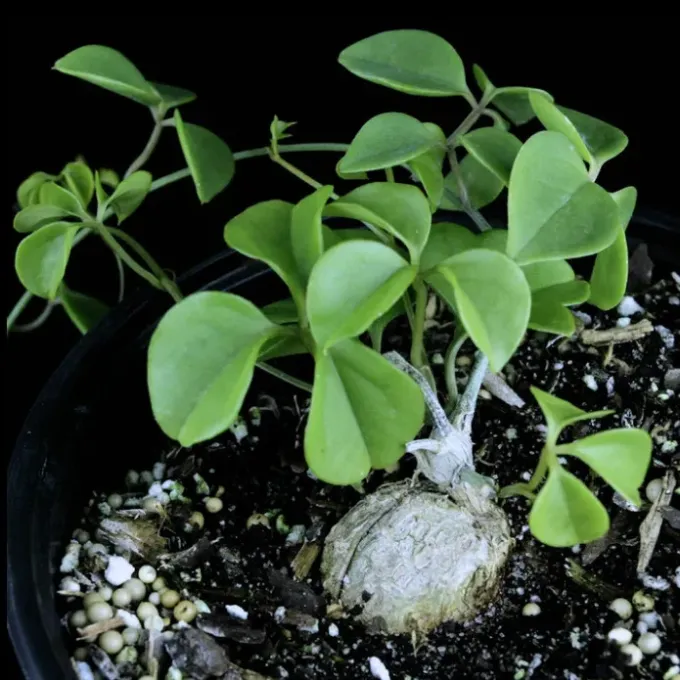
Description
Sowing dates
Neoalsomitra sarcophylla propagation is typically performed through seeds sown into a well-draining, nutrient-rich potting medium during early spring.
Seeds are recommended to be soaked in warm water for several hours prior to planting to soften the seed coat and enhance germination rates.
A consistent ambient temperature of 22–25 degrees Celsius is crucial during the germination phase to ensure healthy seedling development.
Sowing should be done in individual containers to prevent root entanglement and damage during the eventual transplanting phase into larger pots.
The substrate must be kept consistently moist but never waterlogged to prevent fungal pathogens from destroying the germinating embryos.
Growing requirements
This species belongs to the Cucurbitaceae family and originates from the dense, humid tropical forests found across Southeast Asia.
It thrives in soils that provide excellent drainage, as the roots are highly sensitive to stagnant water conditions which frequently lead to rot.
Climatic requirements involve high humidity levels and indirect sunlight, mimicking the sheltered conditions of the tropical forest understory.
As a climbing vine, Neoalsomitra sarcophylla necessitates sturdy vertical supports or trellises to facilitate proper growth and development of its foliage.
The plant requires a stable, frost-free environment year-round, as it lacks the physiological mechanisms to survive even brief cold snaps.
Main diseases and pests
The primary threats include spider mites and mealybugs, which thrive in environments where air circulation is poor and humidity is insufficient.
Root rot is the most common physiological disorder caused by over-irrigation or the use of heavy, compacted soil types that lack aeration.
Fungal leaf spot diseases can occur if the foliage is kept excessively wet for long periods, especially in settings with limited airflow.
Effective management involves consistent monitoring of the lower leaf surfaces where pests tend to congregate during early stages of infestation.
- Use of organic oils or specific insecticides to manage pest populations safely.
- Maintaining optimal soil drainage and air movement to prevent fungal colonization.