
Momordica cymbalaria
Momordica cymbalaria
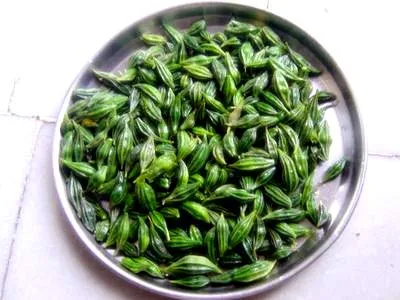
Description
Sowing dates
Sowing Momordica cymbalaria seeds should be done in well-warmed soil once the risk of frost has completely passed to ensure rapid and uniform germination.
Starting seeds in greenhouse trays or small pots 4–6 weeks before the last frost is highly recommended to give the plants a head start during the growing season.
Seeds are sown at a depth of approximately 2–3 centimeters, requiring constant warmth and moderate soil moisture to break dormancy successfully.
Transplanting seedlings to the field requires careful handling of the root ball to prevent transplant shock, which can delay the overall development of the vine.
Spacing is critical for this species; plants should be set at least 60 centimeters apart to allow for proper airflow, which reduces the incidence of fungal diseases.
Growing requirements
This species belongs to the Cucurbitaceae family and thrives in tropical and subtropical climates, requiring full sun exposure throughout the day.
The ideal soil for this plant is well-drained, sandy loam enriched with organic matter, maintaining a pH level between 6.0 and 7.0 for optimal nutrient absorption.
A consistent irrigation schedule is vital, as the plant needs sufficient moisture to support its rapid vine growth and the development of numerous fruit.
Vertical trellising is strongly encouraged to keep the fruit off the ground, which significantly improves fruit quality and protects it from soil-borne pathogens.
Regular application of balanced nitrogen-phosphorus-potassium fertilizers during the vegetative stage helps sustain vigorous growth throughout the season.
Main diseases and pests
Aphids and spider mites are common pests that tend to infest the undersides of leaves, particularly during periods of low humidity and high temperatures.
Powdery mildew represents the most common fungal challenge, often manifesting as a white, dusty layer on the leaves when air circulation is inadequate.
Root rot caused by Phytophthora species can occur if the soil is poorly drained, leading to stunted growth and sudden wilting of the entire plant.
Monitoring for signs of leaf yellowing or stunted terminal shoots is essential for early detection of potential viral infections transmitted by insect vectors.
Integrated pest management, including the use of neem oil and physical barriers, is the preferred approach to maintain the health of this agricultural crop.
Harvesting
Harvesting usually begins two to three months after planting, depending on climatic conditions and the intensity of care provided during the growing period.
Fruit should be harvested when it reaches a specific color stage, which indicates peak maturity and the presence of concentrated bioactive compounds.
Because the harvested fruit is highly perishable, it is best processed, dried, or consumed within a very short timeframe to preserve its nutritional value.
Seed harvesting involves allowing a few high-quality fruits to fully ripen on the vine until they crack open naturally to release the seeds.
Post-harvest handling requires gentle collection of fruit into shaded containers to avoid bruising and to minimize exposure to direct sunlight before processing.