
Momordica rostrata
Momordica rostrata
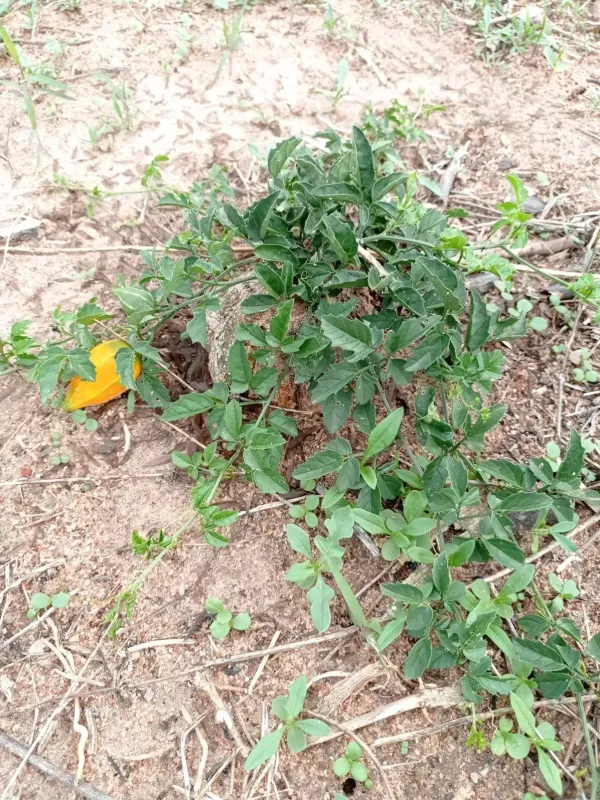
Description
Growing requirements
Momordica rostrata is a unique succulent vine belonging to the Cucurbitaceae family. It is widely recognized for its prominent, woody caudex which grows above the ground and serves as a water storage organ.
The plant originates from Eastern Africa, specifically Kenya and Somalia, where it inhabits arid shrublands. This evolutionary adaptation allows it to thrive in nutrient-poor, rocky soils.
Successful cultivation requires a highly porous, gritty, and fast-draining substrate. Using a standard potting mix without drainage amendments typically results in root rot and caudex failure.
In terms of light, Momordica rostrata demands full sun exposure to maintain its characteristic compact habit. In indoor environments, a south-facing window or supplemental greenhouse lighting is essential.
Temperature management is vital: the plant prefers a warm climate. While it can withstand occasional heat waves, it must be protected from temperatures below 10°C, which can cause significant physiological stress.
Main diseases and pests
Root and caudex rot are the primary threats to this species, usually caused by overwatering during the dormant winter season or during periods of low light intensity.
Spider mites are the most common pests, particularly when the ambient humidity is kept low. They can rapidly cause stippling and yellowing of the leaves if left untreated.
Mealybugs can also infest the plant, often hiding in the crevices of the caudex or the nodes of the vines. Manual removal or systemic insecticides are recommended for control.
Powdery mildew is a fungal risk during seasons with high humidity and stagnant air. Proper airflow is the best preventive measure to ensure the foliage remains healthy and disease-free.
Maintaining a consistent balance between watering and drying cycles is the best way to prevent opportunistic soil-borne pathogens from attacking the root system.