
Luffa aegyptiaca
Luffa aegyptiaca Mill.
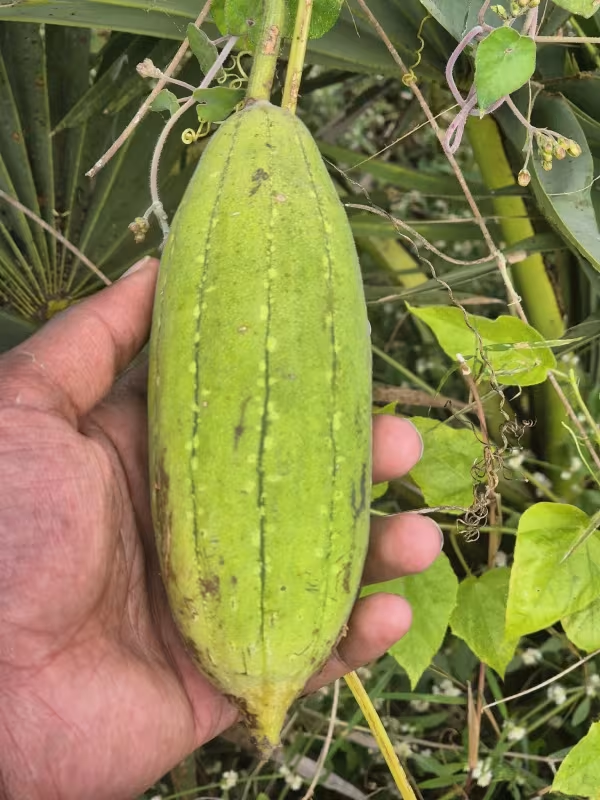
Description
Sowing dates
Luffa aegyptiaca is a vigorous climbing annual vine belonging to the Cucurbitaceae family. Due to its long growing season, it is generally recommended to start seeds indoors in pots about a month before the last frost.
Seeds should be planted 2–3 cm deep in a nutrient-rich potting mix. It is crucial to use peat or biodegradable pots because the plant is extremely sensitive to root disturbance and does not transplant well.
Germination requires warm conditions, ideally between +20°C and +25°C. Once the seedlings have developed two sets of true leaves and the soil has fully warmed up, they can be transplanted into the garden.
Planting spacing should be at least 50–100 cm apart to allow for vigorous vine growth and proper airflow. Providing a sturdy trellis or fence is essential for the plant to climb and produce high-quality fruit.
Regular pinching of the main stem once the plant reaches a reasonable height encourages the development of lateral branches, which in turn leads to a higher yield of fruit.
Growing requirements
Luffa requires a location with full, direct sunlight for the majority of the day. It thrives in hot, humid climates and needs shelter from strong winds that could damage the vines and large foliage.
The soil should be fertile, well-draining, and rich in organic matter. A pH level between 6.0 and 7.0 is considered optimal for healthy growth and nutrient absorption.
Consistent irrigation is vital, particularly during the active flowering and fruit-setting stages. The soil should be kept moist but not waterlogged to prevent root health issues.
Regular fertilization with balanced nutrients is recommended during the vegetative growth phase. When fruit begins to set, shifting to a potassium-rich fertilizer will support the development of the internal fibrous network.
The plant benefits from mulching to conserve soil moisture and prevent the growth of weeds that might compete for nutrients during the peak growing season.
Main diseases and pests
Powdery mildew is a common fungal threat, characterized by white spots on the leaves. It is often managed by improving air circulation around the plants and using appropriate fungicidal treatments if necessary.
Root rot can occur in heavy or poorly drained soils, especially if irrigation is excessive. Proper site selection and well-draining soil are the primary defenses against this condition.
Pests like aphids and spider mites can attack the foliage. These are best controlled using organic insecticidal soaps or by encouraging beneficial predatory insects in the garden.
Anthracnose can cause necrotic spots on the leaves and fruits. Avoiding overhead irrigation and promptly removing any infected plant material helps limit the spread of the pathogen.
- Maintain good hygiene in the garden.
- Avoid monoculture plantings to reduce disease pressure.
- Monitor plants weekly for early signs of infestation.
Harvesting
For sponge production, harvest the fruit only after it has fully matured on the vine, turning yellow or brown, and feeling lightweight. The drying process inside the fruit is what creates the characteristic fibrous structure.
If harvested for culinary purposes, the fruits should be picked while they are young, tender, and green, typically within two weeks of flowering, before the fibers start to toughen.
Processing the sponge involves peeling off the dry outer skin, removing the seeds, and washing away the inner pulp. The resulting fibrous mesh should be rinsed thoroughly and dried completely in the sun.
Luffa sponges are highly durable and biodegradable. They serve as excellent natural exfoliants for personal care or as eco-friendly cleaning tools for various household surfaces.
Store harvested seeds in a cool, dry place to ensure high viability for the next season. Proper storage keeps the seeds healthy for up to several years.