
Luffa cylindrica
Luffa cylindrica M.J. Roem.
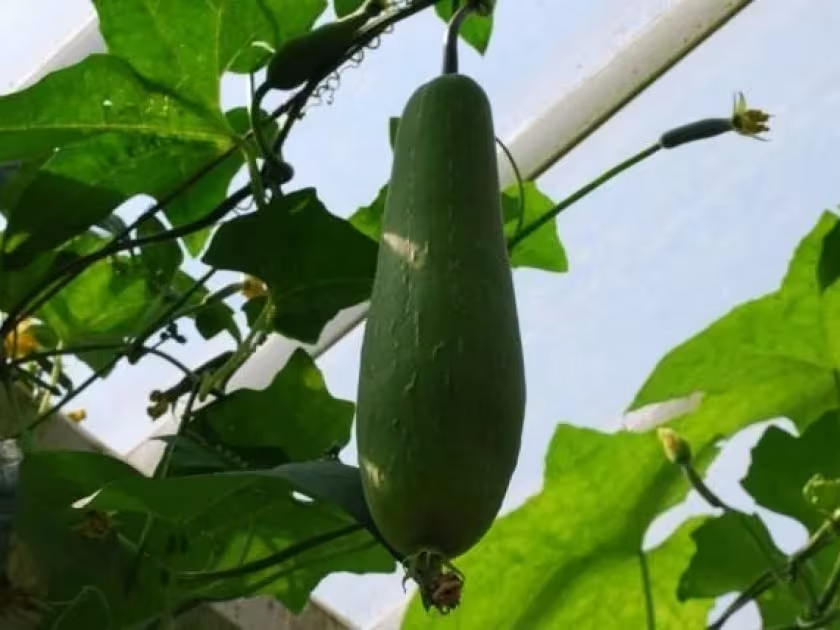
Description
Sowing dates
Luffa cylindrica is a warm-season tropical vine, necessitating an early start indoors in temperate climates to ensure the growing season is long enough for fruit maturation.
Sow seeds in individual biodegradable pots in late March or early April, as this species is extremely sensitive to root disturbance and does not transplant well.
Soaking the seeds in warm water for 24 hours before planting helps to soften the hard seed coat and significantly improves the germination rate.
Transplanting into the permanent outdoor location should only occur when all danger of frost has passed and night temperatures remain consistently above 15 degrees Celsius.
Space the plants at least 60 to 90 centimeters apart to allow for vigorous vine growth and proper air circulation, which is vital for disease prevention.
Growing requirements
Being a member of the Cucurbitaceae family, Luffa cylindrica thrives in hot weather and requires full sun exposure to achieve its full potential and growth rate.
The ideal soil is fertile, well-draining, and rich in organic matter, with a pH level between 6.0 and 6.8 to ensure optimal nutrient uptake for the vine.
A robust trellis, pergola, or netting system is absolutely essential, as the heavy fruits and long vines need vertical support to stay off the ground and avoid decay.
Consistent irrigation is required throughout the growing season, especially during the flowering and fruit-setting stages, while avoiding wetting the foliage to reduce fungal risks.
Regular fertilization with nitrogen during the vegetative phase and phosphorus-rich fertilizers during the flowering phase will support healthy development.
Yield
The yield of Luffa cylindrica is primarily determined by the length of the warm season and the availability of direct sunlight during the fruit development stage.
A single well-tended plant can typically produce between 5 to 10 high-quality fruits, depending on the specific cultivar and the local climate conditions.
In commercial operations, regular pruning of lateral shoots is practiced to redirect the plant's energy toward developing larger, more uniform fibrous fruits.
Early harvest of young, tender fruits is common if the plant is intended for culinary use, whereas full maturity is required for fiber production.
Proper harvest timing is crucial for maximizing fiber quality, as fruits left too long on the vine in wet autumn conditions may begin to deteriorate.
Main diseases and pests
Powdery mildew is the most common disease affecting this crop, particularly in regions with high humidity, appearing as a white dusty coating on the leaves.
Root rot and various wilt diseases can occur if the soil remains waterlogged or if the crop is planted in heavy, compacted clay soils with poor drainage.
Aphids, cucumber beetles, and spider mites are the primary pests that can infest the vines and significantly weaken the plant if left untreated.
Integrated pest management, including the use of neem oil or insecticidal soaps, is highly recommended to control populations without damaging the plant's fibers.
Maintaining high hygiene standards in the field, including the removal of infected plant debris, is key to preventing the spread of persistent soil-borne pathogens.
Harvesting
For fiber production, the fruits must remain on the vine until they are fully mature, the skin has turned yellow or brown, and the fruit feels noticeably light.
The harvest should be completed before the first hard frost, as freezing temperatures can damage the internal fiber structure and reduce the quality of the sponge.
Once harvested, the outer skin is peeled off, revealing the intricate network of vascular bundles that constitute the natural sponge structure.
The interior must be thoroughly cleaned of all seeds and pulp by rinsing with water, then dried in a sunny, airy location until completely firm.
When correctly processed, the dried Luffa skeleton provides an excellent, sustainable, and biodegradable alternative to synthetic scrubbing sponges.