
Luffa forsskalii
Luffa forsskalii
Description
Sowing dates
Luffa forsskalii is a heat-loving annual vine belonging to the Cucurbitaceae family. In temperate climates, seeds should be started indoors in late March or early April due to the long growing season required for full maturity.
Pre-sowing treatment is essential: soaking the seeds in growth stimulants or warm water for 24 hours significantly accelerates germination of the hard outer coat.
The optimal temperature for germination is between +25°C and +30°C, so containers should be kept in a warm environment until the seedlings emerge.
Transplanting into open ground should only occur after the risk of frost has passed and soil temperatures have reached at least 15-18 degrees Celsius.
Planting density requires a spacing of 70–100 cm between plants, as the vigorous, climbing nature of the vine requires significant space for proper development.
Growing requirements
This plant has high light requirements; to produce high-quality fibers, it must receive at least 10–12 hours of direct sunlight per day.
The crop prefers light, fertile, well-draining loamy soils with a neutral pH level (around 6.5–7.0) for optimal root performance and nutrient uptake.
Regular irrigation with warm water is crucial, especially during the flowering and fruit-setting stages, as drought stress frequently leads to fruit drop.
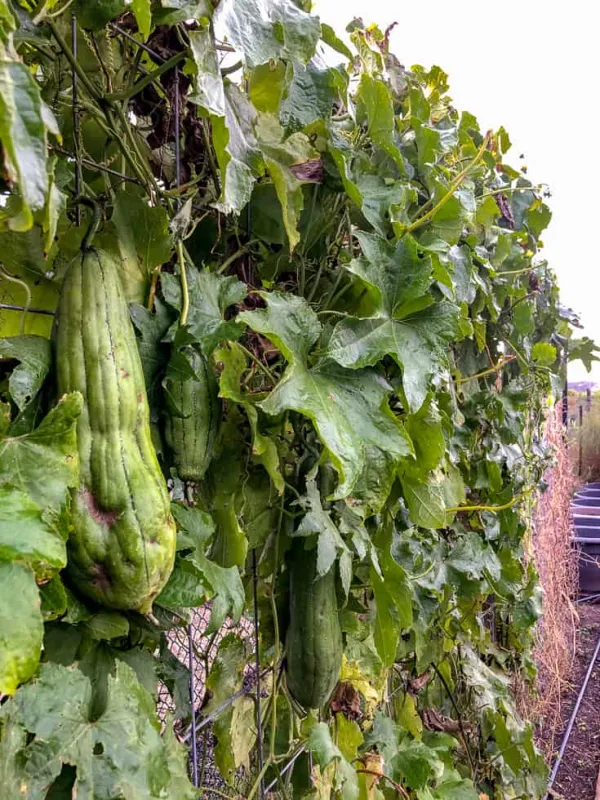
Sturdy trellises or netting are necessary to support the climbing stems, improve air circulation, and prevent the fruit from rotting upon contact with the damp soil.
Consistent growth is supported by the application of organic matter like compost, complemented by nitrogen and phosphorus fertilizers throughout the season.
Yield
The yield of Luffa forsskalii is highly dependent on the length of the warm season and the intensity of solar radiation received during the summer.
With proper agronomic management, each plant can produce between 5 and 10 fully matured fruits suitable for processing into sponges.
The crop shows its highest productivity in arid, warm zones where it can fulfill its biological potential without environmental stress factors.
Regular pruning of side shoots directs the plant's energy toward the main fruits, which enhances their size and the quality of the internal fiber network.
The weight of a single mature fruit typically ranges from 300 to 600 grams, depending on water availability and the overall fertility of the soil.
Main diseases and pests
Powdery mildew is a common disease that affects the foliage, particularly in environments with high humidity and poor ventilation around the vines.
Root rot represents a significant threat during periods of excessive soil moisture or when the soil remains cold during the early stages of development.
Among pests, the two-spotted spider mite is frequently observed, thriving in hot and dry microclimates and causing significant damage to the leaf tissue.
Aphids may infest young shoots, sucking plant sap and leading to curled, distorted leaves and an overall reduction in the plant's vigor.
Prevention strategies include strict crop rotation, diligent weed control, and the use of biological control agents to manage pest populations effectively.
Harvesting
Fruits intended for sponge production are harvested at full biological maturity, indicated by the skin turning yellow-brown and becoming light in weight.
A reliable sign of ripeness is a rattling sound inside the fruit when it is gently shaken while still attached to the vine.
Post-harvest, the fruits should be cured in a well-ventilated, warm room for several weeks until the outer skin dries completely.
Processing involves soaking the fruit in hot water, removing the tough outer rind, and washing the fibrous skeleton to extract the seeds and pulp.
The resulting fibrous sponges retain high durability and flexibility after drying and bleaching, making them excellent for various hygienic and scrubbing uses.