
Angled luffa
Luffa acutangula (L.) Roxb.
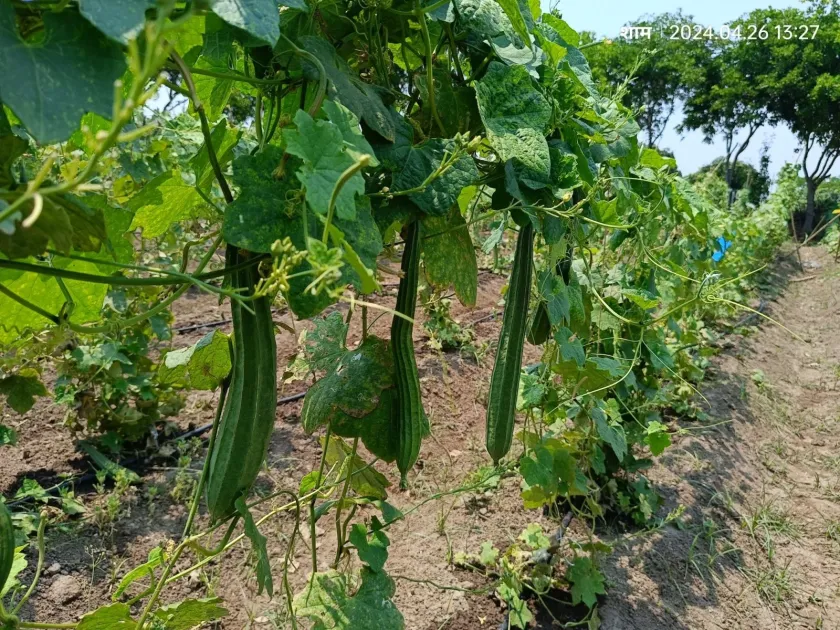
Description
Sowing dates
Angled luffa (Luffa acutangula) is a vigorous annual climbing vine belonging to the Cucurbitaceae family. It is a tropical plant that thrives in long, hot growing seasons, necessitating an early start indoors in temperate climates.
Seeds should be sown in seedling trays approximately 4–6 weeks before the last frost date. Given their hard seed coat, soaking them in warm water for 24 hours prior to planting significantly improves germination rates.
Transplanting into the garden should only occur once the soil is thoroughly warmed and night temperatures consistently exceed 15 degrees Celsius. This vine is highly sensitive to cold stress, which can lead to stunted growth or total plant failure.
Proper spacing is crucial for airflow and healthy development. When planting in the field, it is recommended to maintain a distance of at least 80 to 100 centimeters between plants to allow for sufficient spread.
Because it is a climber, preparing strong trellises or vertical support systems is mandatory. Vertical growth not only optimizes space but also keeps the developing fruit off the ground, ensuring straight shapes and reducing rot.
Growing requirements
Angled luffa demands well-drained, nutrient-rich soil with a slightly acidic to neutral pH. Incorporating substantial amounts of organic matter, such as compost or well-rotted manure, is essential for healthy vegetative growth.
As a sun-loving plant, it requires full exposure to direct sunlight for at least 6–8 hours daily. Adequate light intensity is directly linked to the plant's ability to set fruit and maintain vigorous development.
Consistent moisture is key; the soil should remain damp but never waterlogged. Irrigation management is particularly critical during the flowering stage, as dry periods can cause flower drop and significantly reduce the final harvest.
Fertilization with a balanced NPK fertilizer during the early growth stages supports leaf development. Once flowering begins, shifting to a fertilizer higher in potassium and phosphorus promotes better fruit set and maturation.
Mulching the base of the plant is highly beneficial for weed suppression and temperature stabilization. It also protects the roots from harsh surface heat during the peak of summer, ensuring the plant remains productive.
Yield
The yield of angled luffa is determined by the length of the frost-free season and the success of pollination. In optimal conditions, one vine can produce a substantial number of fruits throughout the summer and autumn.
Culinary harvest is carried out while the fruits are young, tender, and slender, typically reaching 15–20 centimeters in length. At this stage, they are prized for their unique texture and ability to absorb flavors.
For fiber production, fruits are left on the vine until full physiological maturity. This process converts the inner flesh into a tough, fibrous network as the fruit dries out and the skin turns light brown.
Pollination is often aided by bees and other beneficial insects. In areas with low pollinator activity, hand-pollination can be performed to ensure a higher yield, especially early in the season.
Harvested fiber sponges are prized for their durability and natural origin. They are biodegradable, making them an excellent sustainable alternative to synthetic scrubbing tools in household and industrial cleaning.
Main diseases and pests
Like many cucurbits, angled luffa is susceptible to powdery mildew and anthracnose, especially in humid conditions. Keeping foliage dry and ensuring adequate spacing helps minimize the risk of these infections.
Common pests include aphids, spider mites, and cucumber beetles. These insects can quickly colonize the leaves, causing wilting or the spread of viruses, which are difficult to manage once established.
Integrated pest management strategies are recommended, including the use of neem oil or biological controls to protect the crop without harming pollinators. Regular inspections of the underside of leaves allow for early intervention.
Crop rotation is a standard best practice to prevent the build-up of soil-borne pathogens. Avoid planting luffa in beds that previously housed pumpkins, cucumbers, or melons within the last three years.
Good field hygiene, such as removing and destroying infected plant debris immediately, significantly lowers the potential for disease outbreaks in subsequent years.
Harvesting
Harvesting for culinary purposes requires vigilance; fruits should be monitored closely and picked before they develop hard, fibrous centers. Regular harvesting encourages the plant to continue producing new fruit.
For sponge production, harvest occurs at the very end of the growing season. The fruits are ready when they feel light, the skin becomes dry and brittle, and seeds rattle inside when the fruit is shaken.
After harvesting, the skin is peeled away, and the seeds are removed through the fibrous interior. The sponges are then washed in water to remove remaining plant juices and dried in a well-ventilated area.
Proper drying is essential to prevent mold growth inside the sponge. Once fully dry, they are naturally light-colored and ready for immediate use or long-term storage in a dry environment.
If frost is imminent before the fruits have fully dried on the vine, they can be harvested and ripened in a warm, indoor location, although this may slightly affect the final texture and strength of the fiber.