
Lundell's Squash
Cucurbita lundelliana
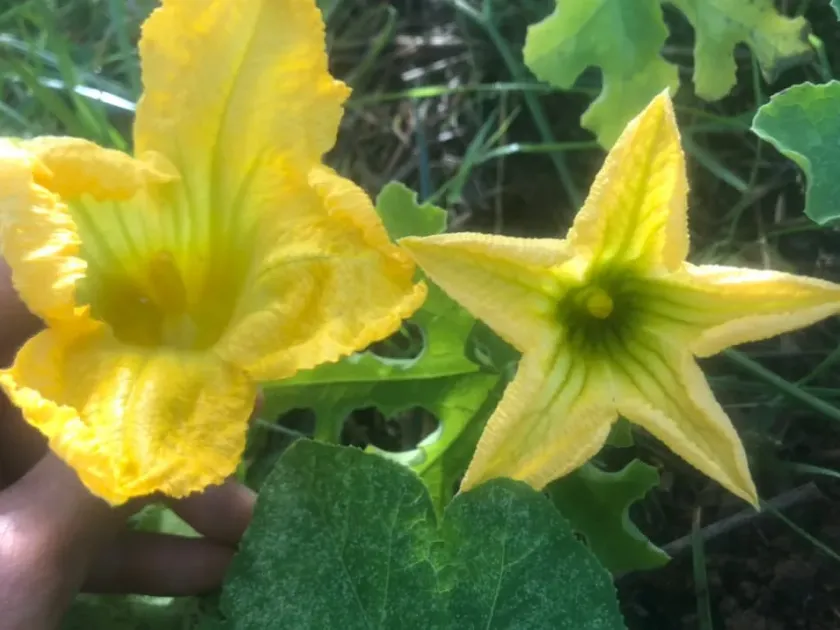
Description
Growing requirements
Lundell's squash (Cucurbita lundelliana) belongs to the Cucurbitaceae family. This species is a wild relative of cultivated squashes, originating from the tropical regions of Central America.
The plant thrives as an aggressive vine in warm and humid tropical forests. It possesses strong tendrils that allow it to climb over forest vegetation to capture sunlight effectively.
Optimal growth requires well-drained, nutrient-rich soil with a consistent moisture supply. The species is highly sensitive to cold stress and cannot survive in regions with frost or prolonged cool seasons.
Its botanical structure includes small, inedible or bitter fruits, which makes this species valuable primarily for scientific research rather than culinary purposes.
The genetic makeup of this plant is of great interest to agronomists, as it carries traits related to environmental hardiness and resistance against certain regional pests.
Yield
The fruit yield of Cucurbita lundelliana is naturally low compared to domesticated varieties, as the plant directs most of its energy toward rapid vegetative growth and survival.
In wild populations, the number of fruits per plant is limited, and they primarily serve the purpose of seed dispersal rather than biomass production for human consumption.
Breeding programs may study its productivity characteristics, though its direct cultivation for yield is not economically viable due to the small size and bitterness of the fruits.
The plant demonstrates a high reproductive capacity in its native habitat, ensuring the survival of the population through numerous small, seeds-rich fruits.
Overall, agricultural yield for this species is categorized as biological output rather than commercial production, making it a focus for gene bank preservation.
Main diseases and pests
Fungal infections such as powdery mildew are the most prevalent threats to this species, especially during the humid seasons in tropical forest ecosystems.
Root rot pathogens, which thrive in waterlogged soil, frequently attack the base of the plant, potentially leading to rapid systemic wilting and death.
Insect pests including aphids and whiteflies often infest the underside of the leaves, causing severe stress and reducing the vigor of the vines.
Viral diseases, often spread by insect vectors, can cause stunted growth and yellowing, significantly hindering the plant's ability to complete its life cycle.
To maintain health, wild populations rely on genetic diversity and natural resistance to survive the pressure of endemic diseases and insect populations.