
Hodgsonia macrocarpa
Hodgsonia macrocarpa
Description
Sowing dates
Hodgsonia macrocarpa is a tropical vine belonging to the Cucurbitaceae family. In its native habitats across Southeast Asia and India, the seeds are traditionally planted at the onset of the rainy season, which ensures high germination rates due to consistent moisture.
For controlled cultivation, seeds should be sown in a high-moisture-retaining substrate at a temperature between 25 and 28 degrees Celsius. Proper soil drainage is essential during the initial development to prevent the seed from rotting.
Initial germination is best conducted in a greenhouse or specialized nursery setting. Transplanting to the permanent site should occur once the seedlings develop 3 to 4 true leaves and stable environmental conditions are ensured.
Preparation of the planting site is critical; pits should be filled with organic-rich compost to support the vine's rapid growth. Given the plant's sprawling nature, spacing of 4 to 6 meters between plants is required for optimal development.
Installing robust trellises or supports is a mandatory agronomic practice. Without vertical support, the plant's vegetative growth is inhibited, and it becomes more susceptible to soil-borne pathogens and fungal infections.
Growing requirements
As a native of tropical forests, Hodgsonia thrives in environments with high humidity and stable warmth. The optimal temperature range for active growth is between 22 and 30 degrees Celsius.
The plant prefers loose, fertile loam soils with a neutral or slightly acidic pH. A high organic matter content in the soil profile is key to promoting vigorous canopy development and sustaining successful fruit production.
While the vine shows moderate shade tolerance during its early stages, it requires sufficient sunlight to ensure optimal fruit set. Intense direct sun should be balanced with protection from dry, damaging winds.
Consistent and abundant irrigation is vital, particularly during the fruit formation and maturation stages. Drought stress during these periods can lead to flower drop and significantly reduce the overall yield.
Agronomic maintenance includes periodic organic fertilization and mulching around the base. Mulching helps retain soil moisture and shields the shallow root system from excessive heat and temperature fluctuations.
Yield
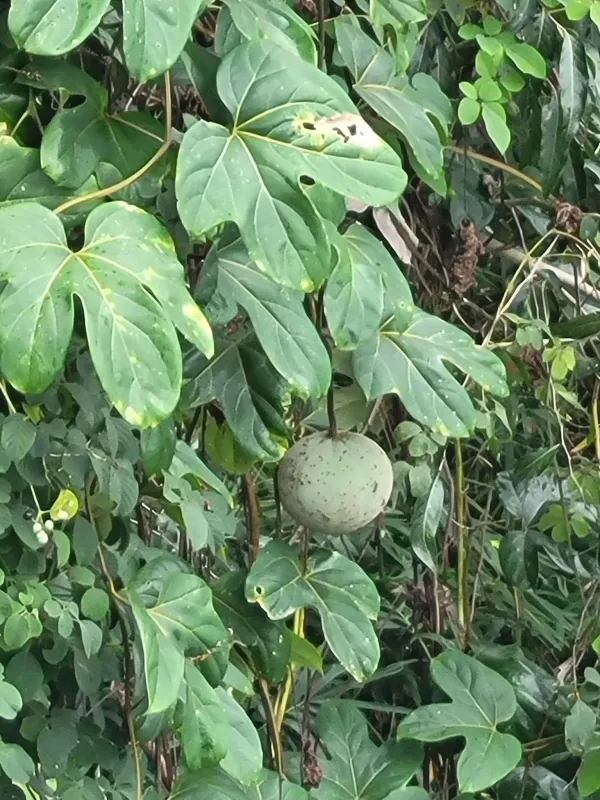
Hodgsonia macrocarpa is highly valued for its large fruits, which can reach weights of 5 kilograms or more. The fruits contain numerous seeds embedded in an oily pulp, making it a promising oilseed crop.
Yields are strongly influenced by the quality of pollination, as the flowers bloom at night and rely on specific nocturnal pollinators. Encouraging local biodiversity is essential for ensuring successful fertilization and fruit development.
The seeds possess a high oil content, often exceeding 50–60 percent. The oil extracted from these seeds has a unique chemical profile, offering significant potential for both culinary and industrial applications.
Harvesting is performed when the fruits reach full maturity, indicated by a change in skin color and the development of a distinct aroma. Careful handling is required to avoid damaging the fruit's fragile, thin shell.
The plant requires a maturation period before entering its peak productive phase. Once established, it can provide consistent yields for many years, provided that adequate nutritional support and pest management are maintained.
Main diseases and pests
Fungal diseases, including powdery mildew and anthracnose, are common threats, especially when air circulation is poor or humidity levels remain excessively high within the foliage.
Pests such as aphids and spider mites can cause significant damage by feeding on young shoots. Additionally, root-knot nematodes may pose a threat in heavy or poorly drained soils, undermining the plant's vigor.
Proactive management includes regular sanitary pruning to remove infected plant parts and improve airflow. Maintaining a clean cultivation area by removing plant debris helps prevent the accumulation of pathogens.
Biological pest control methods are preferred, as the vine can be sensitive to synthetic pesticides. The use of beneficial insects, such as ladybugs or parasitic wasps, is an effective strategy for managing pest populations.
Regular monitoring for symptoms like chlorosis or localized necrosis allows for timely intervention. Adjusting the fertilization program or irrigation schedule can often prevent the escalation of minor health issues.
Harvesting
Harvesting Hodgsonia fruit is a labor-intensive manual process due to the size and weight of the fruits. Every specimen must be picked carefully to prevent accidental drops that could crack the shell and compromise the seeds inside.
Post-harvest processing involves extracting the seeds and cleaning them of all remaining pulp. Proper cleaning is necessary to prepare the seeds for the drying phase, ensuring the stability and quality of the contained fats.
Drying should take place in well-ventilated areas. Direct exposure to intense heat must be avoided to prevent the oxidation of essential fatty acids, which would degrade the oil quality and nutritional value.
Sorting seeds by size and quality is recommended to ensure consistency for processing. Discarded pulp and fruit debris should be recycled back into the farm system as high-quality organic fertilizer.
Once dried to the correct moisture level, the seeds should be stored in a cool, dry, and dark environment. Proper storage conditions are essential to maintaining seed viability and oil quality for an extended shelf life.