
Colocynth
Citrullus amarus Schrad.
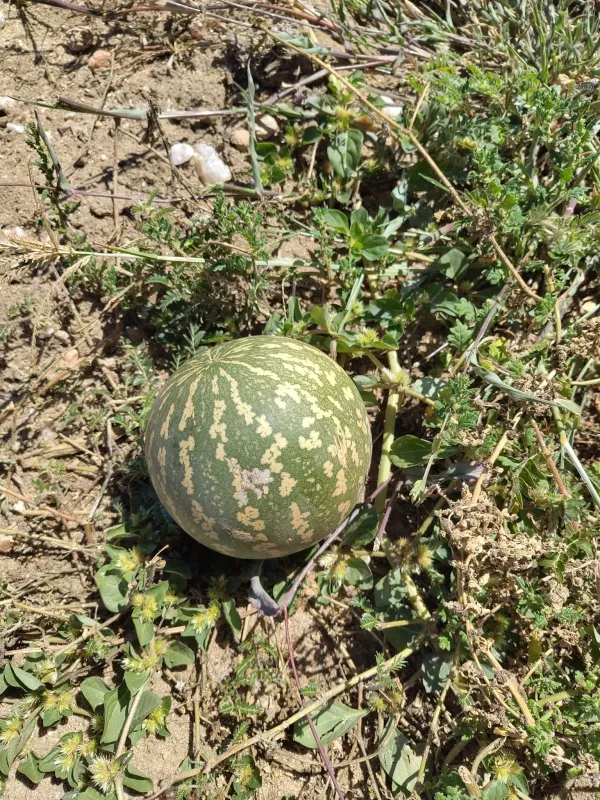
Description
Sowing dates
Seeds of Citrullus amarus are sown in open fields when the soil temperature at a depth of 10 cm reaches at least +18...+20°C. This plant is a warm-season crop that thrives in regions with long, frost-free summers.
A cluster planting method is standard, placing 3–5 seeds in each hole. Given the vigorous growth of its vines, a spacing of 1.5 to 2 meters between plants is essential to ensure adequate airflow and space for expansion.
The soil should be well-aerated to prevent seed decay. If the soil is too heavy or moist, the seeds are likely to rot before germination, which usually occurs within 10 to 14 days under optimal conditions.
Pre-soaking seeds in warm water can assist in faster germination, especially in areas with shorter growing seasons. However, the soil must be well-drained and not waterlogged during the critical early development phase.
Crop rotation is vital for Colocynth. It should not be planted immediately following other members of the Cucurbitaceae family to reduce the incidence of soil-borne pathogens and pests.
Growing requirements
Colocynth is a true xerophyte, naturally evolved in arid and semi-arid desert environments. It requires full, direct sunlight throughout its entire growth cycle to mature properly.
It prefers sandy or loamy soils with good drainage. The root system of this plant is exceptionally deep and specialized, allowing it to seek out moisture in extremely dry environments where other crops fail.
The ideal temperature range for active growth is between +25°C and +35°C. The plant exhibits high heat tolerance but is susceptible to cold stress; even light frost can kill the foliage and stop fruit development.
Water requirements are minimal. In fact, excessive irrigation is detrimental, as it promotes fungal pathogens and may reduce the concentration of secondary metabolites in the fruit.
Low humidity is preferred to keep the foliage dry, which acts as a natural deterrent against many common fungal diseases. Proper spacing ensures sufficient ventilation to further minimize moisture-related issues.
Main diseases and pests
Fungal diseases such as Fusarium wilt and anthracnose represent the most significant threat to Colocynth crops. These are usually triggered by high humidity levels or poor soil drainage.
Common pests include aphids and spider mites, which can cause severe damage to the leaves and young fruits by piercing and sucking plant juices, often leading to stunted growth.
Integrated Pest Management (IPM) practices are recommended to protect the crop. This includes timely weeding, monitoring for early signs of infestation, and removing infected plant tissue immediately.
Proper aeration is the best preventive measure against most diseases. By maintaining an open canopy and keeping the irrigation limited to the base of the plant, farmers can significantly lower disease pressure.
In cases of heavy pest pressure, specialized bio-insecticides may be employed, particularly if the crop is intended for pharmaceutical use, to ensure that the active compounds remain free from chemical residues.