
Trichosanthes tubiflora
Trichosanthes tubiflora
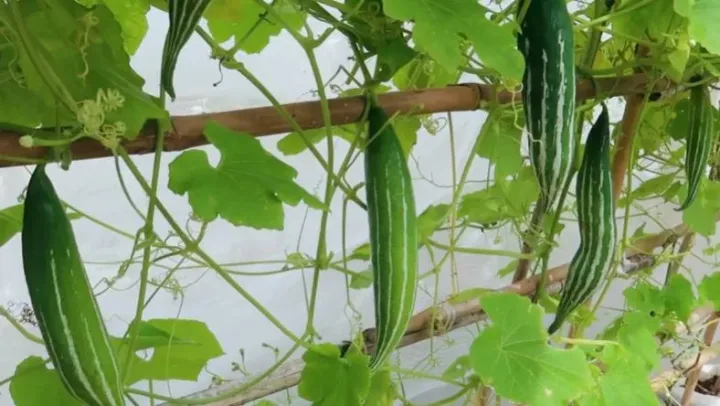
Description
Sowing dates
Trichosanthes tubiflora is a heat-loving climbing vine, making the seedling method the most viable option in temperate climates. Seeds should be sown in nutrient-rich pots 30 to 40 days before the expected final frost, ensuring that environmental conditions are stable for development.
For successful germination, the soil and air temperature must remain consistently high, preferably above 20–22 degrees Celsius. Utilizing a high-quality substrate with neutral acidity and excellent drainage is critical to prevent seed decay within the confined container environment.
Prior to sowing, scarification or soaking seeds in growth stimulants is recommended to accelerate the emergence of seedlings through the tough seed coat. The sowing depth should be maintained at 2–3 centimeters, depending on the physical structure of the chosen potting mix.
Transplanting seedlings to their permanent location must only occur once the soil has warmed to at least 15 degrees Celsius. The plant is highly sensitive to temperature fluctuations; therefore, temporary protective coverings are advised during the initial adaptation period.
In regions with an exceptionally long growing season, direct seeding is possible, though it remains risky due to the slow initial development of sprouts under cooler weather conditions.
Growing requirements
As a member of the Cucurbitaceae family, Trichosanthes tubiflora has high light intensity requirements. To thrive, the vine needs a sunny location protected from strong, gusty winds, which can easily damage the long, delicate stems.
The crop prefers light, fertile loamy or sandy soils enriched with organic matter. High water permeability of the substrate is mandatory, as stagnant moisture in the root zone quickly leads to the development of root rot and other fungal pathogens.
During its growth cycle, the plant requires vertical support, as it is equipped with powerful tendrils for climbing. Using trellises not only optimizes leaf aeration but also simplifies the harvesting process, ensuring that the fruits maintain their characteristic elongated shape.
The optimal temperature range for vegetation is between 25 and 30 degrees Celsius. If temperatures drop below 12 degrees, metabolic processes slow down significantly, negatively affecting both the plant's growth rate and the formation of reproductive organs.
Consistent and abundant watering is essential, especially during the flowering and active fruiting stages. Water deficiency often leads to blossom drop and fruit deformation, significantly diminishing the market quality of the produce.
Yield
The total yield of Trichosanthes tubiflora depends heavily on the intensity of agronomic care and the duration of the frost-free period. Under favorable conditions, a single plant can produce between 10 to 15 full-sized fruits throughout the growing season.
The fruits are known for their significant length, often exceeding a meter under proper management. To maintain steady productivity, it is necessary to prune side shoots and remove unwanted suckers, effectively redirecting the plant's energy toward fruit development.
Yield figures increase substantially with regular fertilization using complex mineral fertilizers rich in potassium and phosphorus during the intense flowering phase.
Fruit weight varies, but the total biomass per bush can reach several kilograms. It is important to account for the heavy fruit load, as it may cause structural failure of the supporting trellis if not adequately reinforced.
Proper plant training facilitates a balanced distribution of nutrients, allowing for the consistent production of high-quality vegetable output throughout the entire vegetative duration.
Main diseases and pests
The primary threats to this crop include common cucurbit diseases such as powdery mildew, which often thrives during periods of fluctuating humidity and poor ventilation. Maintaining proper spacing between plants is the best preventative strategy.
Root rot poses a serious risk when overwatering coincides with low soil temperatures. Adherence to a strict irrigation schedule and avoiding direct water contact with the plant's root crown are crucial mitigation techniques.
Pests such as spider mites and aphids can cause significant damage to leaves and young fruit sets. In greenhouse environments, their population can explode rapidly, necessitating timely and targeted pest control interventions.
For insect management, the use of biological agents or botanical insecticides is recommended to prevent chemical accumulation in the fast-growing fruits intended for human consumption.
- Powdery mildew
- Root rot
- Spider mites
- Aphids
Harvesting
Harvesting should be conducted at the stage of technical maturity, when the fruits have reached their characteristic size but still maintain tender flesh and thin, non-fibrous skin. Overripe fruits tend to become woody and lose their culinary appeal.
Regular harvesting is encouraged as the fruits ripen, as this practice stimulates the plant to produce additional sets. When harvesting, use a sharp blade or secateurs to avoid causing mechanical stress or tearing the main vine stem.
The post-harvest shelf life of fresh produce is limited, meaning fruits should be consumed or processed shortly after being detached from the vine.
Trichosanthes tubiflora fruits are widely utilized in Asian cuisine, often prepared by stewing, frying, or incorporating into soups and salads. Their unique flavor profile, reminiscent of cucumber, makes them a sought-after dietary vegetable.
Effective logistics during the harvest process help prevent bruising of the delicate fruits, ensuring that they retain their aesthetic appeal and marketability for fresh consumption.