
Naudin watermelon
Citrullus naudinianus (Sond.) Hook. f.
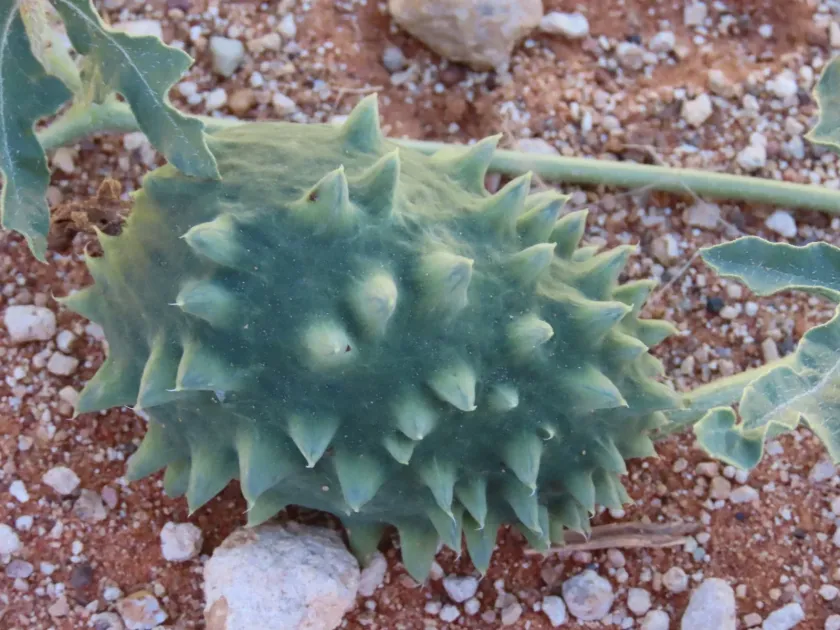
Description
Sowing dates
The Naudin watermelon, botanically defined as Citrullus naudinianus, is a member of the Cucurbitaceae family. This annual vine is naturally adapted to the arid and semi-arid environments of the African continent.
Successful germination requires warm soil temperatures, ideally between 20 and 25 degrees Celsius. In cultivation, seeds should be sown only when the risk of frost has completely passed and the ground is thoroughly warmed.
For regions with shorter growing seasons, starting seeds indoors in individual peat pots is highly recommended. This strategy bypasses the need for transplanting, which can severely shock the root system if not handled with extreme care.
Given the vigorous vining nature of this plant, it requires a significant amount of space. A planting distance of at least 1.5 meters between hills is advised to ensure adequate airflow and prevent overcrowding, which can promote diseases.
If direct sowing in the field is possible, seeds should be planted at a depth of 3-5 centimeters. The soil should be kept lightly moist until emergence, after which irrigation can be adjusted to support steady growth.
Growing requirements
This species is highly demanding in terms of sunlight, requiring full exposure throughout the entire day. Any form of shading or competition from tall weeds will significantly reduce the vigor and reproductive output of the plant.
The ideal soil type for Citrullus naudinianus is sandy or sandy-loam with excellent drainage. The plant is notoriously sensitive to waterlogged conditions, which quickly lead to root rot and collar rot.
Maintaining a neutral to slightly alkaline pH is beneficial for nutrient uptake. Regular soil aeration through gentle hoeing in the inter-row spaces helps manage soil compaction and enhances root respiration.
Soil preparation should involve the incorporation of well-composted organic matter to improve structure and water-holding capacity without creating excessive wetness. Mulching with natural materials can also regulate soil temperature.
Watering should be deep and infrequent rather than shallow and constant. This encourages the development of a deep root system, allowing the plant to better withstand the periodic dry spells typical of its native environment.
Main diseases and pests
Common fungal diseases, such as powdery mildew and anthracnose, are significant risks in humid climates. These pathogens thrive on leaves and stems, often leading to rapid defoliation if left unchecked.
Root rot is a persistent problem in poorly drained soils. The best defense is proactive soil management, ensuring that the water drainage is superior and that the planting site is elevated if necessary.
Pests like aphids and spider mites are frequent invaders. Aphids congregate on the undersides of leaves, causing curling and stunting, while spider mites cause yellowing and can quickly weaken the plant during hot, dry spells.
Crop rotation is a critical management strategy. Planting Naudin watermelons in fields previously occupied by other cucurbits is discouraged to avoid the buildup of soil-borne pathogens in the root zone.
Integrated pest management, including the use of beneficial insects and, as a last resort, targeted organic pesticides, is recommended. Early detection via routine scouting of the foliage is essential for successful control.
Harvesting
Harvesting is determined by the maturity of the fruit, typically signaled by the drying of the tendril near the fruit stalk and a dulling of the skin's color. Harvesting at the right stage ensures the best quality.
Fruits should be harvested using sharp shears to cut the peduncle, leaving a small stub attached. This prevents the rind from tearing, which would otherwise provide an entry point for spoilage organisms during storage.
Post-harvest, fruits should be kept in a cool, dry, and well-ventilated area. They do not require specific ripening conditions but should be handled with care as they are susceptible to bruising during transit.
While often treated as a specialty crop, the Naudin watermelon is primarily valued for its genetic traits rather than commercial yield. Its resilience to heat and drought makes it an interesting subject for breeding programs.
Handling and packaging require protective cushioning to prevent mechanical damage. Because the fruit is not a high-volume commercial product, it is usually managed in small batches, ensuring individual attention to each specimen.