
Distimake
Distimake
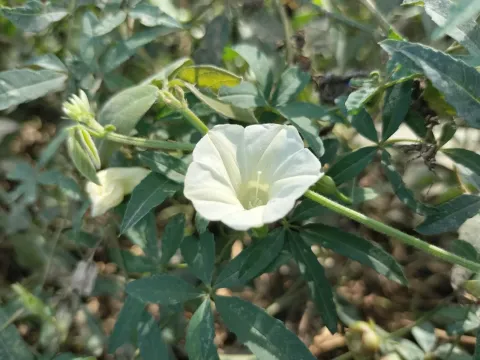
Distimake is a genus of flowering plants belonging to the Convolvulaceae (Morning Glory) family. These plants are primarily characterized by their climbing growth habit, which allows them to effectively compete for light in dense tropical and subtropical environments.
What the section contains


Distimake
The distribution of this genus spans across the tropics of the Americas, Africa, and parts of Asia. In their natural habitat, they are often found in forest clearings and along riverbanks, thriving in warm climates with high humidity levels throughout the active growth period.
Cultivation of Distimake requires well-draining, nutrient-rich soil that allows for consistent moisture without becoming waterlogged. Given their tropical nature, these plants require constant temperatures, typically above 18°C, and are highly sensitive to frost, which limits their cultivation to greenhouses in non-tropical regions.
Botanically, Distimake species are defined by their twining stems, alternate leaves, and funnel-shaped flowers that display a wide range of colors. The reproductive structures, specifically the seeds and pollen morphology, differentiate this genus from related groups like Ipomoea.
From a horticultural standpoint, these vines are valued for their vigorous growth and ornamental appeal in large interior landscapes. Their management relies on providing adequate vertical support systems, such as trellises or netting, to accommodate the rapid biomass production typical of healthy specimens.
The primary threats to Distimake in cultivation involve fungal pathogens, particularly powdery mildew and root rot. These issues are almost exclusively associated with improper watering regimes or stagnant air conditions in indoor environments, emphasizing the need for proper ventilation.
Pests that commonly affect the genus include spider mites, aphids, and whiteflies, which thrive on the dense foliage. Maintaining plant vigor through balanced fertilization and implementing early scouting programs are the best defensive strategies against these common greenhouse pests.