
Distimake kentrocaulos
Distimake kentrocaulos
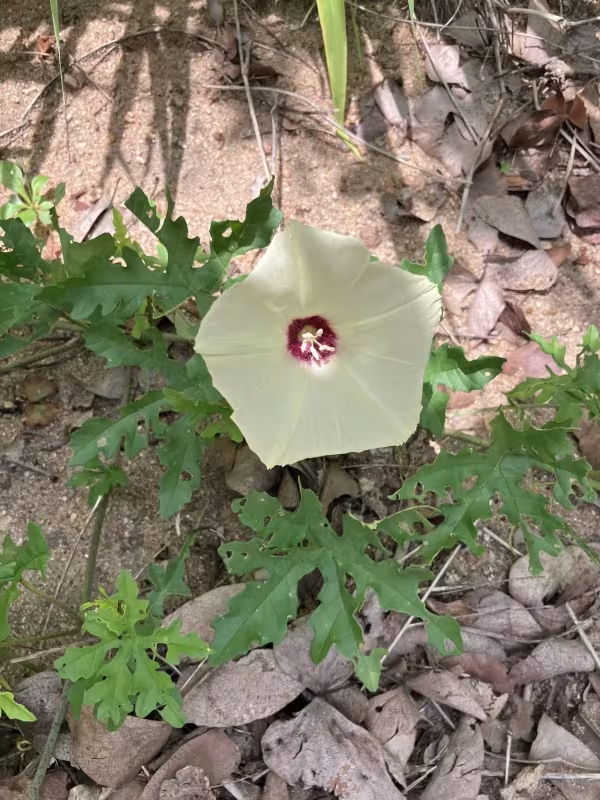
Description
Growing requirements
Distimake kentrocaulos is a climbing plant species belonging to the Convolvulaceae family. Characterized by its vine-like growth habit, it is closely related to better-known members of the Ipomoea genus, featuring distinct botanical traits in its stem and foliage structure.
Native to the tropical regions of the Americas, this crop thrives in environments that mimic its natural habitat: warm, humid, and well-lit. It performs best in nutrient-rich, well-draining soils that maintain consistent moisture levels without becoming waterlogged.
Regarding climate, the plant is strictly tropical, requiring temperatures consistently above +20°C for optimal metabolic activity. It is highly intolerant of frost, and even minor cooling can cause significant damage to its vegetative tissue.
Agronomic management relies heavily on providing suitable vertical support systems. As a climbing vine, Distimake kentrocaulos requires trellis or stake systems to prevent the stems from matting on the ground, which facilitates better light penetration and air movement.
The plant is mainly utilized for its botanical value and potential pharmacological research, as the chemical profile of Convolvulaceae species often includes specialized secondary metabolites of interest for scientific study.
Main diseases and pests
The primary pathological threats to Distimake kentrocaulos include root rot and stem decay, which are typically triggered by over-irrigation or soil compaction in poorly drained areas.
In terms of insect pests, spider mites and whiteflies are the most frequent challenges, especially in greenhouse conditions where high temperatures can favor their rapid reproduction cycles.
Effective management strategies include integrating biological control agents or targeted applications of soaps and oils that are safer for the plant's delicate foliage compared to heavy synthetic chemicals.
Fungal diseases like powdery mildew can also occur if the humidity is not controlled and air circulation remains stagnant within the plant canopy.
Regular monitoring of leaf undersides and new growth tips is essential for the early detection of pest infestations, allowing for immediate intervention before the plant health significantly declines.