
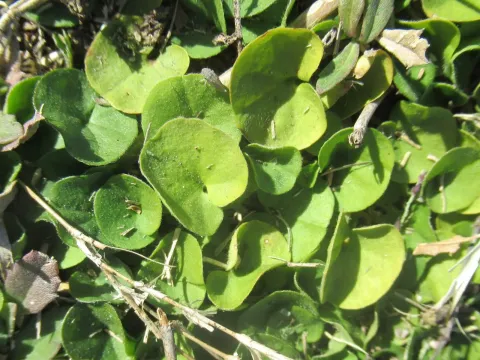
Dichondra
Dichondra
Dichondra is a genus of perennial herbaceous plants belonging to the Convolvulaceae family. Originating from tropical and subtropical regions of the Americas and Oceania, the plant is primarily valued for its foliage, which can form dense, carpet-like mats or cascade elegantly from containers.
What the section contains


Dichondra
The plant thrives in well-drained, sandy loam soils with a slightly acidic to neutral pH level. It is highly intolerant of waterlogged conditions, which can lead to rapid root decay; therefore, excellent drainage is the most critical factor for successful cultivation, whether in a garden bed or a pot.
Regarding climatic requirements, Dichondra is a heat-loving species that prefers full sun but can tolerate partial shade. In climates where temperatures drop below freezing, it is typically treated as an annual or brought indoors, as the vegetative growth is not frost-tolerant.
Agricultural practices focus on consistent but moderate irrigation. While the plant can handle short periods of drought once established, maintaining a steady moisture level in the root zone promotes more vigorous foliage growth and denser coverage.
Dichondra is extensively used in landscape architecture as a lawn substitute in low-traffic areas or as a cascading element in hanging baskets. Its unique texture and growth habit make it a preferred choice for covering bare soil in warm-climate gardens.
Dichondra is susceptible to various pests, with whiteflies, aphids, and spider mites being the most common culprits. These insects colonize the underside of leaves and stems, causing yellowing and stunted growth; regular monitoring and timely application of horticultural oils or insecticides are necessary.
Nematodes represent a significant threat to the root system, often leading to unthrifty growth that is difficult to reverse. Using sterile growing media and avoiding cross-contamination from local garden soil are essential strategies for preventing nematode infestations in container-grown plants.
Root and stem rot caused by fungal pathogens are the most frequent diseases, especially in environments with poor airflow or high humidity. These diseases manifest as dark, water-soaked lesions on the plant tissue, often resulting in sudden wilting and collapse of the vines.
Effective disease control relies heavily on cultural practices, such as ensuring adequate spacing between plants and avoiding overhead irrigation during humid weather. Keeping the soil surface dry and well-aerated significantly reduces the risk of fungal proliferation.
In addition to standard maintenance, applying systemic fungicides as a preventative measure during prolonged rainy seasons can protect the plants. Proper sanitation, including the prompt removal of infected debris, is vital to prevent the spread of spores throughout the entire planting area.