
Distimake aegyptius
Distimake aegyptius
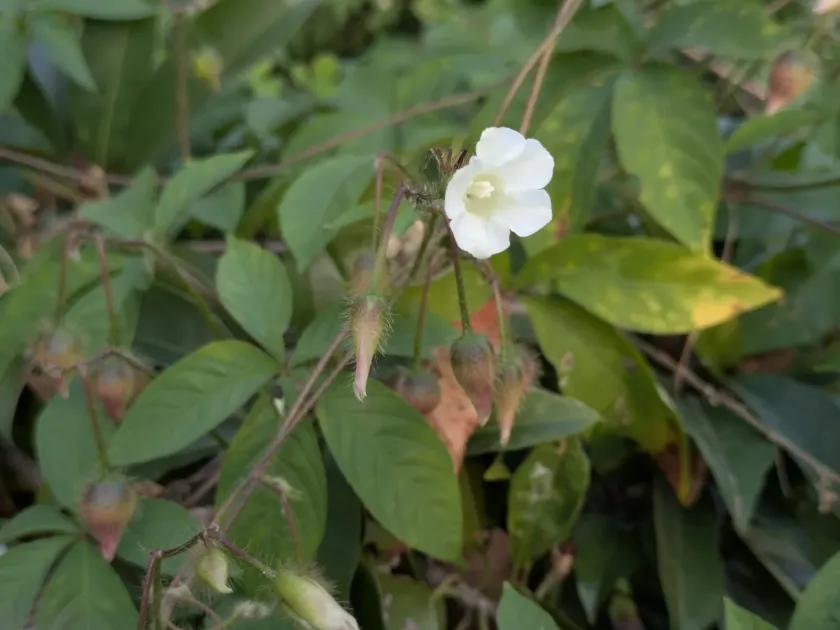
Description
Sowing dates
Distimake aegyptius is a herbaceous climbing plant belonging to the Convolvulaceae family. It is historically related to the genus Ipomoea, exhibiting similar morphological traits such as twining stems and showy foliage.
The sowing process requires warm soil temperatures, ideally above 20 degrees Celsius, as the plant is highly sensitive to cold weather. In temperate regions, it is often grown as an annual, starting indoors before transplanting.
Seeds benefit from scarification to improve germination rates significantly. They should be planted at a shallow depth of approximately 2 centimeters in a well-draining, nutrient-rich potting medium to ensure strong initial development.
Originating from tropical zones in Africa and Asia, the plant thrives in environments that mimic its natural habitat. Its life cycle in these regions is typically perennial, allowing for multiple seasons of growth if protected from frost.
In agricultural settings, the vine is used primarily for its ornamental value or as a botanical specimen. Its growth habit requires adequate vertical space, as it relies on structural support to reach its full vegetative potential.
Growing requirements
Sunlight is a fundamental requirement for Distimake aegyptius, as the species needs full exposure to thrive and produce flowers. Low-light conditions typically result in weak, elongated stems that lack structural integrity.
Soil quality should prioritize drainage and organic content. A loose, sandy-loam composition is preferred to prevent water stagnation, which can lead to rapid deterioration of the plant's sensitive root system.
The optimal climate for this species involves consistent warm temperatures during the day and night. It does not tolerate frost or chilling temperatures, which can induce dormancy or kill the plant entirely if exposure is prolonged.
Watering must be balanced, providing enough moisture to support rapid growth without oversaturating the soil. Regular monitoring of the substrate moisture level is essential for maintaining plant health throughout the season.
Supporting the vine is a critical part of its management. Using trellises, nets, or stakes allows the plant to climb effectively, which improves air circulation around the foliage and reduces the risk of pest infestation.
Main diseases and pests
Spider mites represent the most significant pest pressure for Distimake aegyptius, particularly during hot and dry periods. If left unchecked, these pests can quickly defoliate the plant by extracting sap from the leaves.
Powdery mildew is the most common fungal issue encountered in cultivation. It manifests as a white, powdery coating on leaf surfaces and is often encouraged by high humidity combined with poor airflow between plants.
Root diseases, including various types of rot, are usually linked to improper drainage or excessive irrigation. These issues are often fatal if not diagnosed early and addressed through moisture regulation and fungicide application.
Aphids can also attack young growth, causing stunted development and leaf curling. Integrated pest management strategies, including the use of biological predators or mild soaps, are effective in maintaining healthy plant stands.
- Maintain proper spacing between plants.
- Ensure good ventilation in growing areas.
- Monitor for early signs of pest activity.