
Distimake dissectus
Distimake dissectus
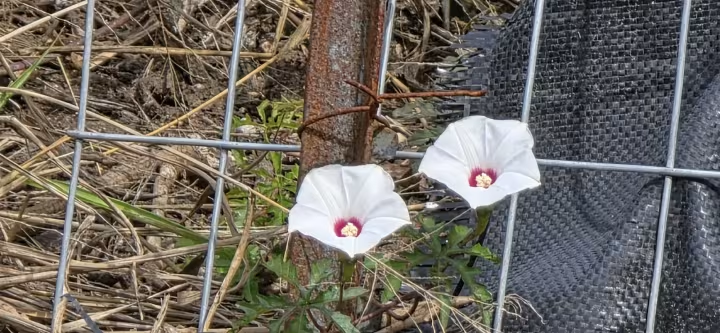
Description
Growing requirements
Distimake dissectus is a perennial climbing vine belonging to the Convolvulaceae family. It is easily recognized by its deeply dissected, palmate leaves, which distinguish it from other related species within the genus.
Native to tropical America, the species has naturalized across various tropical and subtropical regions worldwide. In many places, it is classified as a significant weed that competes with crops for sunlight, nutrients, and vertical space.
The plant thrives in warm, sunny environments with well-drained, fertile soil. It requires a stable climate to maintain its vigorous growth rate, often utilizing nearby shrubs or agricultural crops as natural supports.
In terms of soil preferences, it prefers moist loams, though it is quite resilient to various soil types. However, waterlogging should be avoided as it can cause physiological stress and decay of the root system.
Agricultural management of this vine is crucial in regions where it displays invasive characteristics, as its rapid biomass production can negatively impact the yield of primary agricultural crops.
Main diseases and pests
Fungal infections, particularly powdery mildew, are common during periods of high humidity and poor air circulation around the canopy of the plant, often leading to premature leaf drop.
Pest pressure is frequently driven by sap-sucking insects like spider mites and aphids, which can weaken the plant and serve as vectors for various mosaic viruses affecting the Convolvulaceae family.
Leaf-eating insects, such as larvae of specific moth species, can cause substantial defoliation if left uncontrolled, potentially limiting the plant's spread and reproductive capacity.
Root pathogens associated with soil-borne fungi can become a threat if the agricultural site suffers from poor drainage or excessive nitrogen application, leading to crown rot.
Effective control measures usually involve a combination of manual removal of vines before seed maturation and targeted herbicide applications to prevent further spread of the weed in cultivated fields.