
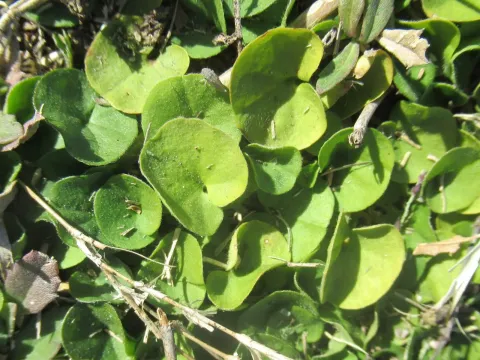
Dichondra
Dichondra J. R. et G. Forst
Dichondra is typically propagated by seeds, which require a warm environment for successful germination. Sowing usually begins in late winter, around January or February, to ensure the plants are well-established by the growing season.
What the section contains

Dichondra
Seeds should be sown in a well-draining, sterile potting mix. Keeping the soil consistently moist and maintaining temperatures between 22 and 24 degrees Celsius is critical for early development.
The germination period can be slow, sometimes taking up to two weeks. Once seedlings develop several true leaves, they should be carefully pricked out into individual pots to avoid root competition and promote strong early growth.
Hardening off is a necessary step before transplanting Dichondra to its permanent location outdoors. This acclimatization process helps the plants adjust to external light and temperature fluctuations.
Final transplanting occurs once all frost danger has passed. When placed in the garden or containers, spacing should allow for the plant's natural trailing or creeping habit to fully express itself.
Dichondra, a member of the Convolvulaceae family, is a trailing perennial herb native to tropical and subtropical regions. It is highly valued for its elegant foliage, which can be either deep green or metallic silver.
This crop thrives in sunny locations but can tolerate partial shade. The silver-foliaged varieties specifically require high light levels to maintain their vibrant color and compact growth habit.
Well-drained, fertile soil with a neutral pH is ideal. While the plant appreciates consistent moisture, it is highly susceptible to root damage if the soil remains waterlogged for extended periods.
In landscaping, Dichondra is widely used as a ground cover in warmer climates or as an exquisite trailing plant in hanging baskets and containers in cooler regions where it is grown as an annual.
Regular maintenance includes light pruning, which encourages branching and keeps the plant dense. Applying balanced liquid fertilizers every few weeks throughout the growing season supports lush foliage production.
Root rot remains the most significant threat to Dichondra, often triggered by overwatering or poor drainage systems. This condition can rapidly lead to wilting and death if not addressed immediately.
Pests such as aphids and whiteflies can occasionally infest the foliage, particularly in environments with poor air circulation or stressed plants. These insects weaken the plant by feeding on its sap.
Snails and slugs are common pests in outdoor plantings, particularly when the ground is moist. They can cause significant aesthetic damage to the leaves by grazing on the soft tissue.
Nematodes are another concern in specific soil types, potentially causing stunted growth and distorted foliage. Using clean, commercial potting mixes for container-grown plants helps prevent such soil-borne issues.
Effective pest management relies on early detection and maintaining proper cultural practices, such as ensuring good air circulation and avoiding unnecessary wetness on the foliage during the evening.