
Dichondra micrantha
Dichondra micrantha
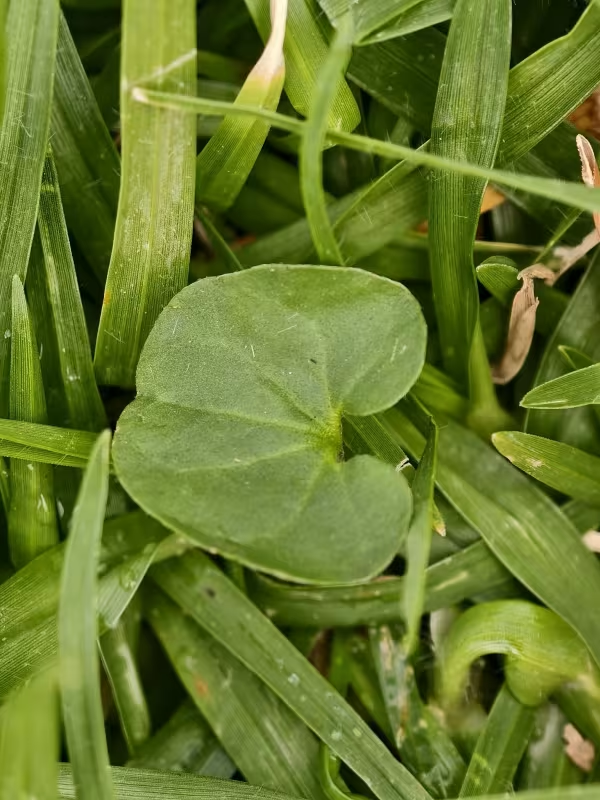
Description
Sowing dates
Dichondra micrantha is typically propagated by seeds sown indoors during late winter, specifically in January or February, to ensure robust seedlings for spring transplanting.
Seeds should be sown in a light, well-draining soil mix and covered with a fine layer of substrate, maintaining high humidity and a consistent temperature of 22–24°C.
Once seedlings have developed several true leaves, they require transplanting into individual pots to foster a strong root system before being moved to the landscape.
Transplanting into the permanent garden site should only occur after the risk of frost has passed, ensuring soil temperatures are warm enough to support rapid growth.
Vegetative propagation via runners is also a viable method, allowing for the rapid establishment of ground cover by pinning stems to the moist soil to encourage rooting.
Growing requirements
As a member of the Convolvulaceae family, Dichondra micrantha is a creeping perennial plant prized for its dense, low-growing foliage and tolerance to various conditions.
The plant thrives in full sun to partial shade, although exposure to bright light promotes the densest leaf development and a more compact growth habit.
Well-drained soil is paramount for the health of this species, as it is highly susceptible to root decay if water remains stagnant in the soil profile for too long.
Regular maintenance involves consistent watering and periodic trimming to maintain a neat appearance and prevent the stems from becoming leggy or overgrown.
Fertilization with a balanced nitrogen-rich fertilizer during the growing season is recommended to maintain the vibrant green color and promote steady coverage.
Main diseases and pests
The most common disease affecting Dichondra micrantha is root rot, which typically occurs due to poor soil drainage or excessive irrigation practices that saturate the root zone.
Leaf-feeding nematodes are considered the most significant biological threat, often causing discolored patches and stunted growth that can be difficult to treat.
Pests such as whiteflies and aphids can occasionally infest the foliage, particularly in sheltered or poorly ventilated areas with high humidity and stagnant air.
Implementing a strict irrigation schedule that allows the soil surface to dry slightly between waterings is essential to preventing most fungal pathogen outbreaks.
Sanitation practices, such as removing damaged plant debris and ensuring proper spacing between plants, significantly reduce the incidence of pest and disease problems.