
Dichondra
Dichondra hybrids
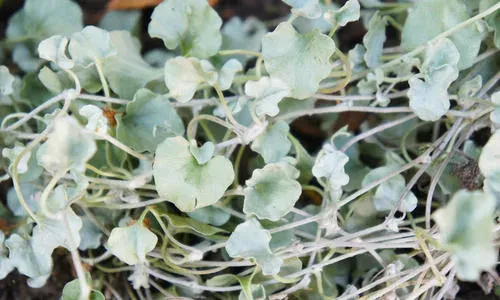
Description
Sowing dates
Sowing Dichondra for seedlings should be started in late winter, specifically January or February, due to the slow initial growth rate of the plant. Seeds are spread evenly over a moist substrate without deep burial, covered only by a thin layer of soil to ensure germination.
The containers must be covered with plastic wrap or glass to maintain a stable environment with a temperature of 22–24 degrees Celsius. Once the first sprouts appear after about a week, the cover is gradually removed to acclimate the plants to the ambient conditions.
Pricking out the young plants is carried out when the first two true leaves appear, moving them into individual pots. This stage is crucial for developing a strong root system, which supports the future branching and spreading of the plant's vegetative mass.
Transplanting into the garden or hanging baskets should only be performed once the danger of spring frost has fully passed. Planting in late May or early June ensures that the soil is sufficiently warm for active root establishment.
When planting, it is important to maintain a recommended spacing to allow for healthy air circulation. A distance of 15–20 centimeters between plants is generally sufficient to achieve a dense and lush ground cover effect over time.
Growing requirements
Dichondra, a member of the Convolvulaceae family, is highly valued in horticulture for its decorative foliage. Originating from tropical and subtropical regions of the Americas and Asia, the plant thrives in warm and bright conditions.
The culture prefers sunny locations for optimal growth, although it shows good adaptability in partial shade. In shaded environments, the stems may elongate significantly, leading to a thinner appearance and loss of overall density in the foliage.
Soil requirements involve loose, fertile, and well-drained medium. The plant does not tolerate stagnant moisture at the roots, so it is essential to use a substrate that allows excess water to escape to prevent root decay.
Watering should be regular yet moderate, focusing on keeping the soil moist but not waterlogged. Occasional misting of the leaves in the evenings helps maintain leaf turgor and vibrant coloring throughout the active growth season.
Consistent fertilization is key to maintaining a lush appearance. Using nitrogen-rich fertilizers every two weeks during the growing season encourages the production of new side shoots, significantly improving the decorative density of the plant.
Main diseases and pests
Fungal diseases, specifically root rot, pose the greatest threat to Dichondra, typically triggered by excessive moisture and poor air circulation. Effective prevention depends on providing proper drainage and avoiding constant saturation of the soil.
Symptoms of fungal infection include spotting on the leaves and gradual wilting of the entire plant. Once these signs are detected, watering should be reduced immediately, and appropriate fungicides should be applied to control the spread.
Pests such as nematodes, aphids, and whiteflies can cause significant damage to the plants. Nematodes are particularly dangerous as they attack the root system, which often makes recovery difficult and requires the removal of the affected plants.
Aphids and whiteflies feed on the sap of young stems, causing leaf deformation and discoloration. These pests are managed by using systemic insecticides to effectively eliminate populations before they cause lasting damage.
Regular monitoring and maintenance of garden hygiene are essential for healthy growth. Keeping the area free of weeds and ensuring that the foliage stays relatively dry can greatly reduce the susceptibility of the plant to various pests and diseases.