
Silver dichondra
Dichondra sericea
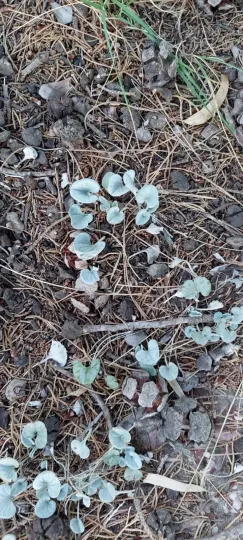
Description
Sowing dates
Silver dichondra is a member of the Convolvulaceae family and is widely used as a decorative annual. Seeds should be sown indoors in late winter to ensure the plant has enough time to develop before the growing season.
The seeds require a light, well-draining potting mix. Covering the tray with plastic wrap helps maintain the high humidity levels needed for consistent germination at temperatures of 22–24 degrees Celsius.
Once the seedlings develop their first true leaves, they should be transplanted into individual pots. Providing adequate grow lights is essential during the early stages of plant development to prevent weak, spindly growth.
Acclimatization is a crucial step before moving the plants outdoors. Gradually exposing the dichondra to external conditions over a two-week period helps prevent transplant shock.
Final planting occurs only when the risk of frost has passed. In warmer climates, it can also be propagated by cuttings, which root easily when placed in contact with moist soil.
Growing requirements
This plant thrives in full sun, which enhances its signature silver foliage color. However, it can tolerate partial shade, provided the light intensity remains sufficient for healthy growth.
Soil requirements focus on drainage and fertility. Dichondra does not tolerate waterlogged conditions, so adding perlite or coarse sand to the potting medium is recommended for container gardening.
Watering should be balanced. While the plant appreciates consistent moisture, the top inch of soil should be allowed to dry out slightly between waterings to prevent root-related issues.
Temperature management is key to vigor. Silver dichondra performs best in a range of 18–25 degrees Celsius and should be protected from freezing temperatures at all costs.
Regular pruning is a vital part of the maintenance routine. Trimming the tips encourages lateral branching, leading to a denser, more attractive appearance for both hanging baskets and ground cover.
Main diseases and pests
Root rot is the most significant threat to silver dichondra, usually caused by overwatering or poor drainage. It presents as a sudden wilting and discoloration of the stems.
Pests like whiteflies and aphids frequently target the plant, especially in stagnant air conditions. These insects sap the plant's vitality and leave behind sticky residues that can promote secondary infections.
Integrated pest management is recommended. This includes keeping the foliage clean, ensuring good airflow, and applying soap-based insecticides or targeted chemicals at the first sign of infestation.
Preventative care starts with soil quality. Using sterilized media reduces the risk of soil-borne pathogens and nematodes that can damage the root system over time.
- Proper drainage management
- Consistent monitoring for pests
- Avoidance of overhead watering
- Regular sanitization of tools
- Prompt removal of diseased plant material