
Silver ponyfoot
Dichondra argentea
Description
Sowing dates
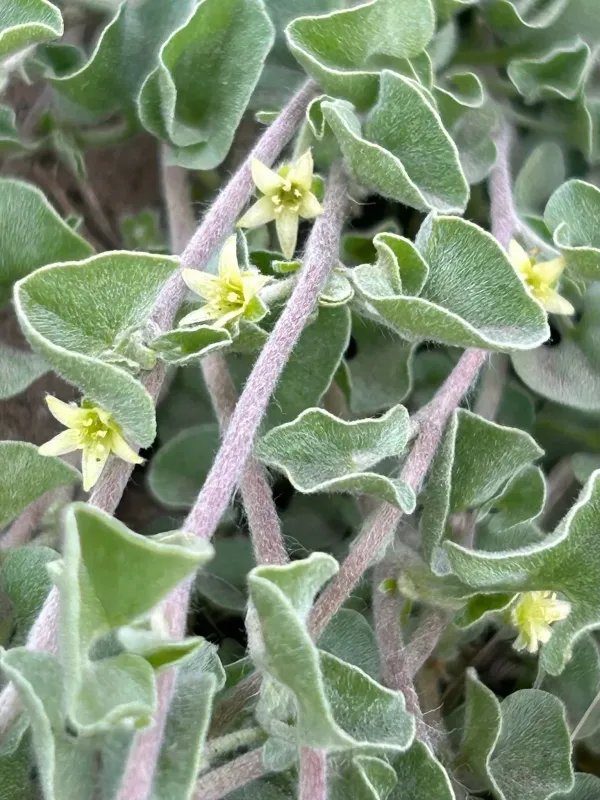
Silver ponyfoot (Dichondra argentea) is a member of the Convolvulaceae family, primarily valued for its cascading silvery foliage. While it is a perennial in warmer zones, it is widely grown as an annual in cooler climates.
Propagation is typically done through seeds sown indoors in mid-winter. Seeds should be sown in a high-quality, sterile seed-starting medium and covered lightly with soil to ensure proper contact and moisture retention.
Germination requires consistent warmth, ideally between 22 and 24 degrees Celsius. Using a germination mat or a warm location helps speed up the process, which usually takes around 10 to 14 days under optimal conditions.
Once seedlings develop true leaves, they should be transplanted into individual pots. Pruning the tips during the early stages of development encourages branching and creates a fuller, more aesthetic plant structure.
Hardening off the plants is a crucial step before outdoor planting. This gradual exposure to external conditions ensures that the foliage remains resilient when finally moved to its permanent location in the garden.
Growing requirements
This species thrives in full sun, which is essential to maintain the vibrant silvery hue of its leaves. While it tolerates partial shade, excessive shade can lead to leggy growth and less intense foliage coloration.
Soil drainage is perhaps the most critical factor for the successful cultivation of silver ponyfoot. The plant prefers light, well-draining soil and cannot tolerate waterlogged conditions, which lead to root rot.
Watering requirements are moderate; the soil should be kept consistently moist but never soggy. During high temperatures, monitoring the moisture levels of container-grown plants is particularly important.
Fertilization with a balanced, nitrogen-rich liquid fertilizer helps support continuous foliage production. Application every two weeks throughout the peak growing season ensures healthy, vigorous expansion.
Silver ponyfoot is an excellent groundcover and hanging basket plant. Its trailing habit makes it highly sought after in modern landscaping for creating contrast against dark-leaved plants or stone surfaces.
Main diseases and pests
The plant is generally resistant to many common pests, but it may be susceptible to root rot in poorly drained, overly compacted, or constantly wet soil environments.
Insect pests such as aphids and whiteflies can occasionally infest the plants, particularly in greenhouses or protected garden areas. Regular inspection of the undersides of leaves is recommended.
Spider mites are another potential threat during periods of hot, dry weather. Increasing humidity around the plant and ensuring proper air circulation can serve as effective preventative measures.
In cases of significant infestation, the application of horticultural soaps or selective insecticides is advised. Always follow label directions to ensure plant safety and effective pest control management.
Maintaining a clean growing environment by removing dead or decaying foliage helps reduce the likelihood of fungal issues and ensures that the plant remains healthy and visually appealing all season.