
Fumana juniperina
Fumana juniperina
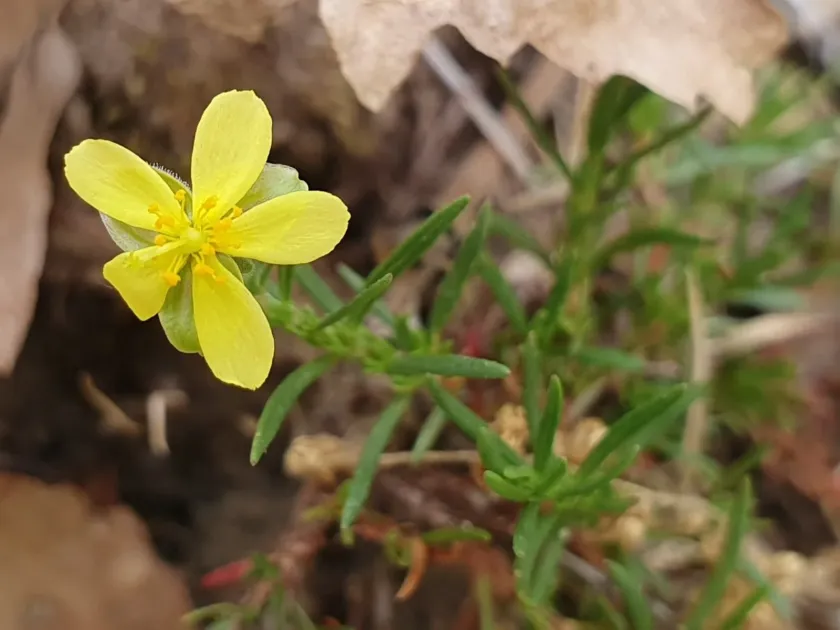
Description
Growing requirements
Fumana juniperina is a perennial semi-shrub belonging to the Cistaceae family. It is a low-growing plant that earns its common name from its needle-like leaves, which resemble those of juniper, although they are biologically distinct.
Originating from the limestone slopes and arid regions of Europe, this species is highly adapted to extreme environmental conditions. It thrives in open, sunny habitats where typical agricultural crops would fail due to water deficiency.
The cultivation requirements focus on mimicking its natural stony environment. Well-drained, porous soil is essential; the plant will struggle and potentially die in waterlogged or heavy, compact clay substrates.
Climate adaptability is one of its strongest traits. Fumana juniperina prefers full sun exposure and is exceptionally tolerant of heat and drought, making it an ideal candidate for xeriscaping and sustainable garden design.
Propagation is typically done through seeds or semi-hardwood cuttings during the active growing season. The plant requires little to no fertilization, as it is adapted to nutrient-poor soil conditions.
Main diseases and pests
The primary threat to Fumana juniperina is fungal pathogens caused by excessive soil moisture and poor air circulation. Root rot is the most common cause of mortality in cultivated specimens.
Pests such as aphids and spider mites can occasionally affect the plant during prolonged dry spells. While these rarely kill the plant, they can significantly reduce its aesthetic appeal and overall vigor.
Preventive measures include planting in raised beds or on slopes to ensure rapid water runoff. Avoid overhead irrigation, which keeps the foliage moist and encourages fungal growth in the center of the plant.
In regions with harsh winters, protection from cold, drying winds is advisable, even though the species is generally hardy. Snow cover often provides sufficient insulation for the plant to survive.
Competition from taller perennials or aggressive weeds poses a secondary threat. Keeping the immediate area clear of debris and unwanted vegetation is crucial for maintaining the health and density of the shrub.