
Thyme-leaved rock-rose
Fumana thymifolia
Description
Sowing dates
Propagation of Fumana thymifolia is typically achieved through seeds or semi-hardwood cuttings. Spring is the preferred season for sowing seeds, once the soil temperature is sufficiently warm.
Seeds should be sown in a well-draining, lightweight substrate and barely covered, as they require sufficient light to trigger the germination process successfully.
For cuttings, gardeners should select healthy semi-ripened shoots in late summer, which ensures better survival rates when transplanted into their permanent garden location.
When planting, provide adequate spacing of about 25–30 cm to prevent overcrowding, which can reduce air circulation and increase the risk of fungal growth.
Full sun is a non-negotiable requirement for this species; therefore, selecting a site that receives direct sunlight throughout the day is critical for vigorous growth.
Growing requirements
Fumana thymifolia is a hardy subshrub belonging to the Cistaceae family, naturally adapted to the arid and rocky landscapes of the Mediterranean basin.
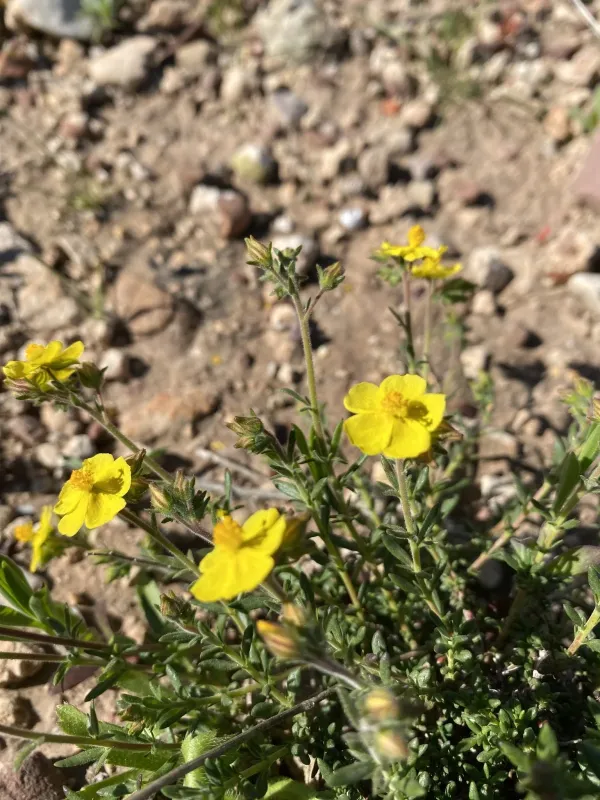
Botanically, it features small, narrow leaves and bright yellow flowers that bloom in clusters, making it an excellent candidate for xeriscaping and rock gardens.
This plant thrives in alkaline or neutral, impoverished soils that possess excellent drainage, mimicking its native habitat on limestone slopes.
It displays remarkable drought resistance, as its root system is efficient at extracting moisture from dry, rocky substrates where other ornamental plants might fail.
Routine maintenance includes light pruning after the flowering season to maintain a compact, bushy shape and to encourage denser foliage development for the next year.
Main diseases and pests
The primary threat to this species is excessive moisture, which leads to root rot and fungal infections, particularly during wet, humid winter months.
Poor soil drainage is the most common cause of plant failure, emphasizing the need for sandy or grit-based soil mixtures in any cultivation setup.
While generally resistant to severe pest infestations, the plant can occasionally suffer from aphids or spider mites if the plants are stressed by lack of light or poor airflow.
Preventive measures include keeping the base of the plant free from debris and ensuring the soil surface dries out completely between any supplemental watering.
Chemical intervention should be restricted to cases of severe fungal infestation, prioritizing horticultural practices that keep the plant in a dry, well-ventilated environment.