
Fumana scoparia
Fumana scoparia
Description
Growing requirements
Fumana scoparia is a woody subshrub belonging to the Cistaceae family. Its natural distribution is linked to the Mediterranean and Middle Eastern regions, where it thrives in rocky habitats.
The plant is highly valued for its exceptional drought tolerance and preference for arid conditions. It flourishes in full sun exposure, which is essential for maintaining its compact growth habit.
Soil requirements for this species are specific: it demands well-draining, nutrient-poor, and often calcareous soils. Heavy clay or moisture-retentive soils are detrimental to its health.
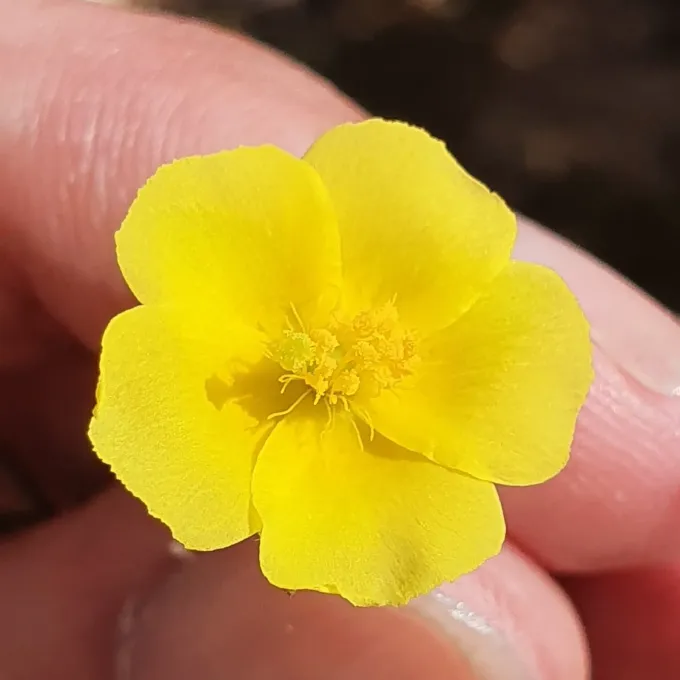
Botanically, it features slender, needle-like leaves and yellow, five-petaled flowers that emerge during the spring and summer months, providing a striking visual effect.
In landscaping, it is used primarily in xeriscaping and rock garden designs. Its ability to survive on minimal water makes it a sustainable choice for dry climates and stony slopes.
Main diseases and pests
The primary threat to the health of Fumana scoparia is root rot, typically caused by improper drainage or excessive irrigation during the colder months.
Pests are generally not a major concern; however, under high temperatures and lack of humidity, spider mites may occasionally infest the foliage, impacting plant vigor.
Cultural control, such as selecting a well-ventilated location and providing grit-based soil amendments, is the best strategy for maintaining long-term health.
Regular pruning following the blooming period encourages new, vigorous growth and helps prevent the plant from becoming overly woody and weak.
Monitoring for signs of moisture stress or sudden yellowing is crucial for early detection of potential fungal pathogens that thrive in damp conditions.