
Moquilea tomentosa
Moquilea tomentosa
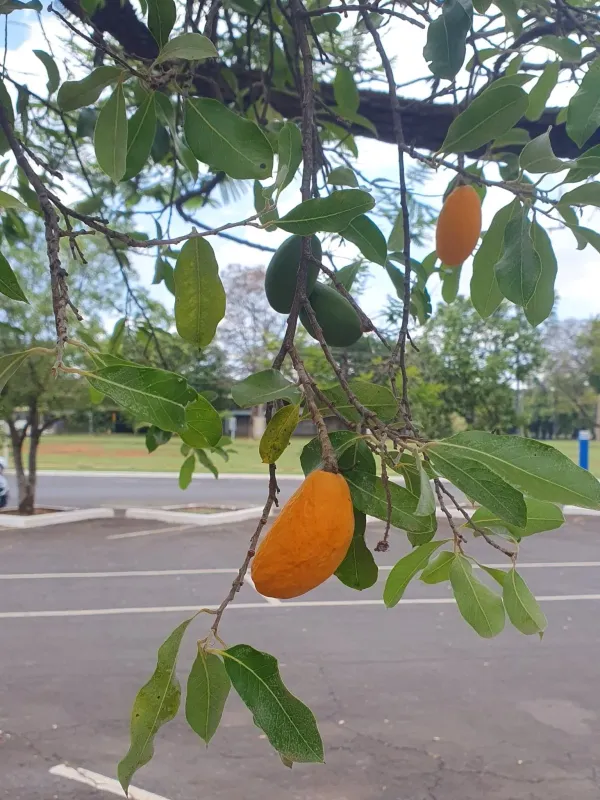
Description
Sowing dates
Moquilea tomentosa, commonly known within the Chrysobalanaceae family, is a tropical tree species valued primarily for its robust physical characteristics.
Propagation is typically handled through seeds, which must be collected and planted immediately as they possess short viability periods.
Sowing should take place in controlled nursery environments with high humidity levels to ensure the successful germination of the sensitive seeds.
Seedlings are transplanted to their permanent sites once they have reached a sufficient size to withstand environmental competition and minor drought stress.
Strategic spacing is essential during planting to allow for the future development of the canopy, which directly influences the tree's overall biomass production.
Growing requirements
This species thrives in tropical climates, requiring consistent temperatures and adequate rainfall throughout the year for optimal metabolic functions.
It displays remarkable adaptation to varied soil types, though it prefers well-drained acidic soils typically found in its native South American habitats.
Moquilea tomentosa is particularly sensitive to waterlogging, necessitating land selection that prevents root asphyxiation during the heavy rainy seasons.
While the tree can tolerate some nutrient-poor soils, fertilization during the juvenile stage significantly accelerates its growth rate toward maturity.
Exposure to full sunlight is beneficial for maximizing the density of the wood, which is the primary objective of commercial cultivation efforts.
Yield
The core commercial value of Moquilea tomentosa lies in its heavy, durable timber, which is highly sought after for specialized structural applications.
Sustainable yield management involves long-term harvesting cycles, as the tree grows slowly compared to fast-maturing commercial plantation species.
Quality control during the growth phase, such as pruning side branches, ensures that the main trunk develops straight, knot-free wood of higher market value.
The wood's natural resistance to decay and termites significantly reduces maintenance costs compared to other tropical hardwoods used in similar sectors.
Harvesting strategies are often integrated with secondary agroforestry practices to maximize land productivity while waiting for the timber to reach maturity.
Main diseases and pests
Fungal diseases related to moisture excess remain a constant challenge, often manifesting as bark lesions that can eventually compromise the integrity of the wood.
Boring insects represent the most significant pest risk, as they create galleries inside the trunk, rendering the timber unsuitable for high-grade construction.
Effective management involves strict sanitation protocols, including the removal of deadwood or infected specimens to prevent the spread of infestations.
Integrated pest management (IPM) strategies, including the use of pheromone traps, have shown promise in controlling population spikes of wood-boring pests.
Climate monitoring is essential to predict shifts in pest behavior, allowing farmers to take proactive measures before an infestation becomes widespread.