
Moquilea platypus
Moquilea platypus
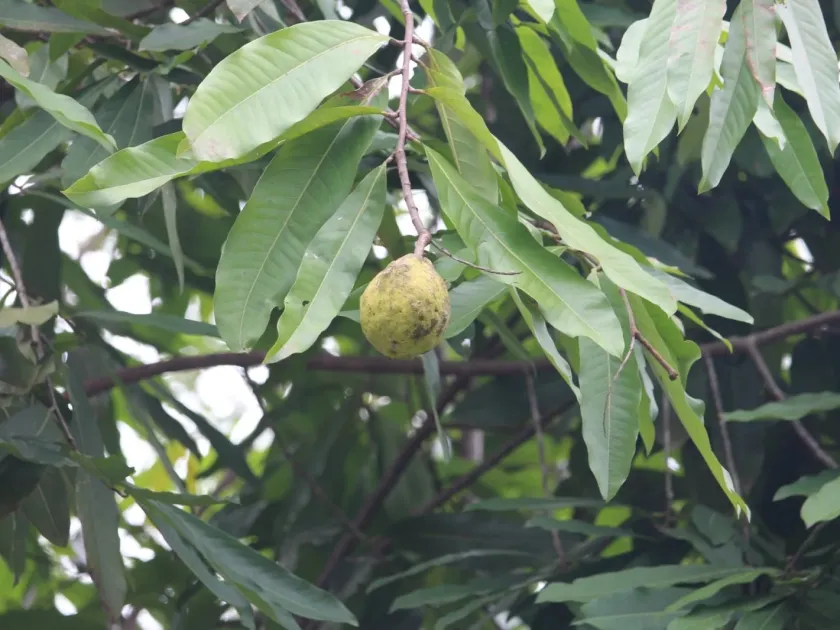
Description
Sowing dates
Moquilea platypus, a member of the Chrysobalanaceae family, is typically propagated from seeds. Given that the seeds possess a relatively short shelf life, it is essential to sow them immediately after extraction from mature, high-quality fruits.
The ideal germination medium should be light, well-draining, and rich in organic matter to mimic the natural forest floor. Seeds should be planted at a shallow depth of 3–5 cm to ensure adequate aeration and moisture retention during the critical germination phase.
Consistent temperatures between +25°C and +30°C are vital for successful sprouting. In a professional nursery setting, maintaining high relative humidity via misting systems significantly improves the uniformity of seedling emergence.
Seedlings remain in the nursery phase for several months until they develop a robust root system and multiple sets of true leaves. During this period, protection from direct midday sun is necessary to prevent scorching of the juvenile foliage.
Proper sanitation in the sowing environment is crucial, as damp conditions often invite damping-off fungi. Ensuring good airflow around the containers can help mitigate the risk of pathogen outbreaks during the early development stages.
##requirements##This species thrives in humid tropical climates and is highly intolerant of drought or prolonged dry spells. It performs best in areas with high annual rainfall and constant temperatures, avoiding any exposure to frost or cold winds.
Soil requirements for Moquilea platypus include deep, fertile substrates with excellent drainage capacity. While the plant appreciates moisture, it strictly requires soils that do not become waterlogged, as stagnant water is detrimental to its root health.
Light exposure is a key factor; while young saplings benefit from partial shade, adult trees are heliophilic and require full sun to reach their full productive potential and maintain a healthy, dense canopy structure.
Regarding soil pH, the plant prefers slightly acidic to neutral conditions (pH 5.5–7.0). In soils with lower fertility, regular applications of organic mulch and compost are recommended to maintain essential nutrient levels and enhance the microbial activity of the soil.
Strategic placement in the orchard is necessary to provide protection from extreme wind, which can break branches or cause premature fruit drop. Providing adequate spacing between trees allows for proper light penetration and air circulation.
##yield##Moquilea platypus is valued for its substantial fruit production. The tree generally reaches its productive stage around 5 to 7 years after planting, depending on environmental factors and the specific horticultural management applied.
Yield stability is heavily reliant on the activity of local pollinators during the flowering season. Orchard managers often prioritize the preservation of surrounding biodiversity to ensure that sufficient pollinating insects are available to maximize fruit set.
Commercial yields can be optimized through periodic pruning, which focuses on removing deadwood and training the tree to maintain a manageable height. This practice not only enhances fruit development but also facilitates easier harvesting operations.
On average, a mature, healthy tree can provide a significant harvest. The weight of fruit per tree can vary considerably based on the tree's age, crown volume, and access to consistent water and nutrient sources throughout the growing season.
Fruit quality is directly linked to the balance of minerals in the soil. Adequate potassium and magnesium levels are particularly important during the fruit development phase to ensure optimal flavor and size.
##threats##The primary threats to this culture are fungal diseases, particularly those affecting the root system and bark during periods of high humidity. Root rot is a common issue when drainage systems fail, often resulting in rapid decline of the tree.
Insect pests, including scale insects and mealybugs, can infest the foliage, leading to reduced vigor and stunted growth. These pests often produce honeydew, which subsequently promotes the growth of sooty mold, blocking photosynthesis on leaves.
Nutrient imbalances, often manifested as chlorosis due to micronutrient deficiency (e.g., iron or zinc), can occur in non-optimal soil conditions. Corrective measures often involve foliar feeding or adjusting soil pH through targeted amendments.
Mechanical damage to the bark or branches from storms can serve as an entry point for pathogens. Regular inspection and the removal of damaged tissues are essential components of an effective integrated pest management (IPM) program.
Sustainable protection often relies on maintaining natural predator populations, such as ladybirds and parasitic wasps, which can help keep sap-sucking insect populations below economic injury levels.
##harvest##Harvesting Moquilea platypus requires precision to avoid damaging the outer skin of the fruit. As fruits approach maturity, they exhibit changes in color and emit a distinct aroma, signaling they are ready to be picked.
Manual harvesting is the standard, often involving the use of poles with baskets to capture fruit at height, thereby preventing impacts with the ground. Avoiding drops is crucial, as any impact bruising can lead to rapid decay.
Post-harvest handling should be performed in a cool, ventilated area to allow the fruit to settle before transport. Proper storage helps maintain firmness and prevents the rapid enzymatic browning of the flesh.
For market preparation, fruits are typically sorted by size and visual appeal. Any damaged or bruised specimens are diverted to immediate processing for jams or pulps to minimize waste and ensure the economic viability of the harvest.
Packing materials should provide cushioning to withstand the rigors of transportation. Maintaining a stable, cool environment during transit is key to ensuring that the fruits reach consumers in optimal condition.
[SOURCE] ->