
Licania platypus
Licania platypus Fritsch
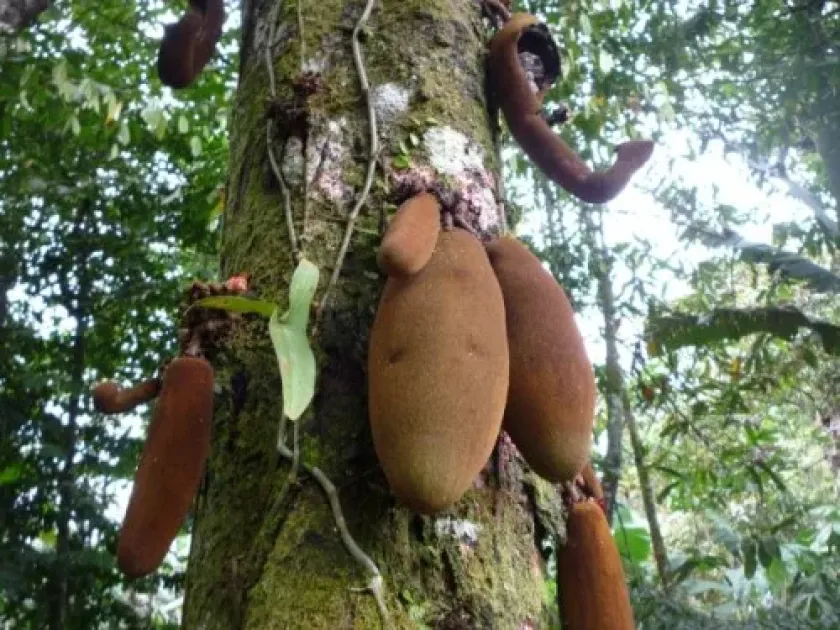
Description
Growing requirements
Licania platypus is a large evergreen tree belonging to the Chrysobalanaceae family. Known for its imposing stature, it can reach heights of up to 50 meters in favorable rainforest conditions, featuring a dense and spreading canopy.
Originating from Central and South America, this species thrives in humid lowland tropical environments. It is well-adapted to regions with high precipitation and consistent year-round warmth.
The climate requirements for Licania platypus are strict: it demands tropical temperatures without any frost risk. It prefers areas where moisture remains high, ensuring the vitality of its large, glossy leaves.
Regarding soil, the tree requires deep, fertile, and well-drained ground. It is particularly sensitive to waterlogged conditions, making proper site selection with adequate water management essential for successful planting.
In agricultural practice, young trees require careful monitoring and protection from strong winds. Given its size, spacing is crucial to ensure adequate airflow and sunlight penetration as the tree matures.
Yield
The fruit of Licania platypus is a large, brown-skinned drupe that can weigh up to 2 kilograms. Its texture is often compared to a mix between a mango and a pumpkin, with a sweet, fibrous pulp that is highly prized locally.
The fruit is mainly consumed fresh, though it is also utilized in various local culinary applications, such as preserves, juices, and desserts. However, its short shelf life after ripening limits commercial distribution.
Beyond its edible fruits, the wood of this tree is highly regarded for its density, hardness, and durability. It serves as a source of high-quality timber for construction and furniture manufacturing.
Licania platypus is frequently incorporated into agroforestry systems. Its dense canopy makes it an excellent shade tree for sensitive crops like coffee or cacao, contributing to a stable microclimate.
While not a primary export commodity, the tree remains a valuable asset for sustainable tropical farming, providing both non-timber forest products and essential ecosystem services.
Main diseases and pests
Licania platypus is generally robust, but it can be susceptible to various fungal infections, particularly leaf spots and root rots, which often thrive in extremely high humidity environments.
Insect pests, including scale insects and mealybugs, can infest young growth, potentially hindering development. In some instances, wood-boring beetles may target stressed or damaged trees.
Effective management strategies include maintaining orchard hygiene and thinning the canopy to promote airflow. This simple practice significantly reduces the risk of fungal proliferation.
Integrated pest management, including the use of beneficial insects and targeted biological treatments, is preferred over broad-spectrum chemical applications to maintain ecological balance.
Regular inspections of the trunk and foliage allow for early detection of issues, ensuring that the tree remains healthy and productive throughout its long lifespan.