
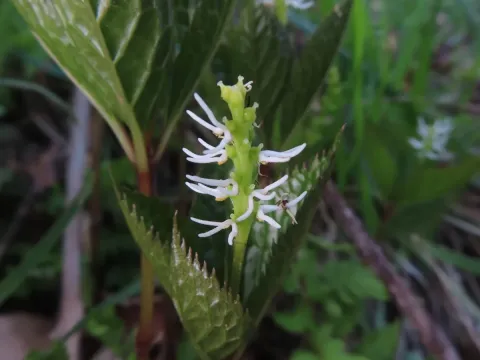
Chloranthus
Chloranthus
Chloranthus is a genus of perennial herbs and subshrubs belonging to the Chloranthaceae family. These plants are native to the tropical and subtropical forests of East and Southeast Asia, where they thrive in rich, shaded environments.
What the section contains
 Chloranthus elatior
Chloranthus elatior
Chloranthus elatior
 Chloranthus fortunei
Chloranthus fortunei
Chloranthus fortunei
 Chloranthus henryi
Chloranthus holostegius
Chloranthus holostegius
Chloranthus henryi
Chloranthus henryi
Chloranthus holostegius
Chloranthus holostegius
 Chloranthus japonicus
Chloranthus japonicus
Chloranthus japonicus
 Chloranthus multistachys
Chloranthus multistachys
Chloranthus multistachys
 Chloranthus serratus
Chloranthus serratus
Chloranthus serratus
 Chloranthus sessilifolius
Chloranthus sessilifolius
Chloranthus sessilifolius
 Chloranthus spicatus
Chloranthus spicatus
Chloranthus spicatus
Chloranthus
The culture requires fertile, well-draining soil with a high amount of organic matter. A slightly acidic to neutral soil pH is essential to ensure that the plant absorbs nutrients efficiently while maintaining root health.
Light management is a critical factor for the successful cultivation of Chloranthus. As a forest understory plant, it prefers partial shade or filtered sunlight; direct exposure to intense midday sun is typically harmful to its foliage.
The ideal temperature range for most species is between 15°C and 25°C. The plant does not tolerate frost and should be protected from cold drafts, making it suitable for greenhouses or as an indoor ornamental plant in colder climates.
Consistent moisture is required for optimal growth. While the soil should stay moist during the active growing season, it is crucial to avoid waterlogging, which can easily lead to root decay in indoor conditions.
Root rot is the most significant threat to Chloranthus, primarily caused by excessive soil moisture and poor drainage. This condition can rapidly spread through the root system if the environmental conditions are not immediately corrected.
Pests such as spider mites and scale insects are common in greenhouse environments. These pests thrive in dry air and can cause significant damage to the leaves by piercing the epidermis and extracting plant fluids.
Integrated pest management, including regular inspection and the use of insecticidal soaps or horticultural oils, is recommended. For severe infestations, professional-grade systemic insecticides may be necessary.
Fungal diseases like powdery mildew can appear when air circulation is poor and humidity levels fluctuate significantly. Improving airflow and removing debris around the base of the plant can effectively mitigate this risk.
Nematode infestations can also affect Chloranthus, causing stunted growth. Using sterilized potting soil and ensuring clean water sources are the best preventive measures against these soil-borne pests.